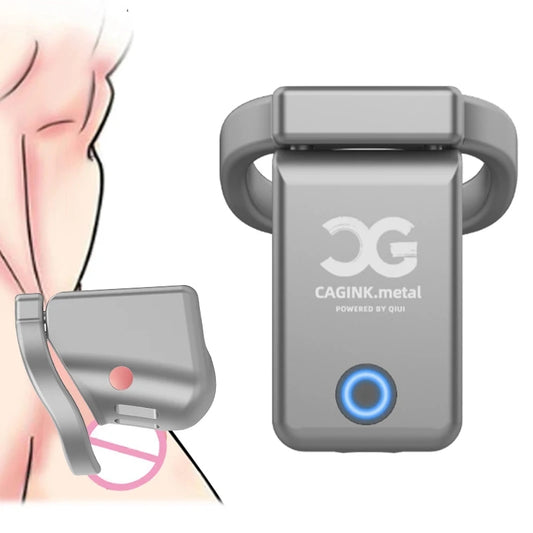
What Happens If a Chastity Cage Is Too Large?
Shifting, rotation, excess space, or an unstable position may suggest that one part of a chastity cage configuration is too large, but none of those signs identifies the cause by itself. Cage length, internal width, base-ring geometry, ring-to-cage gap, spacers, assembly, and the selected variant all interact. The safe first response is removal and inspection, not immediate tightening or an improvised fix.
“Too Large” Is Not One Measurement
Record where movement begins and compare that observation with the current product diagram. A long cage body, wide internal diameter, loose base ring, excessive gap, or wrong spacer can produce different patterns. Confirm assembly and variant mapping before shopping again. If the listing does not disclose the field you need, contact the seller. Never add makeshift padding, force components, or reduce every dimension at once.
Recommended Chastity Devices
These three current products illustrate different comparison roles. Each was ACTIVE and available for sale when this draft was prepared, but availability and specifications should be checked again before ordering.
3D Printing Chastity Cage With 4 Rings
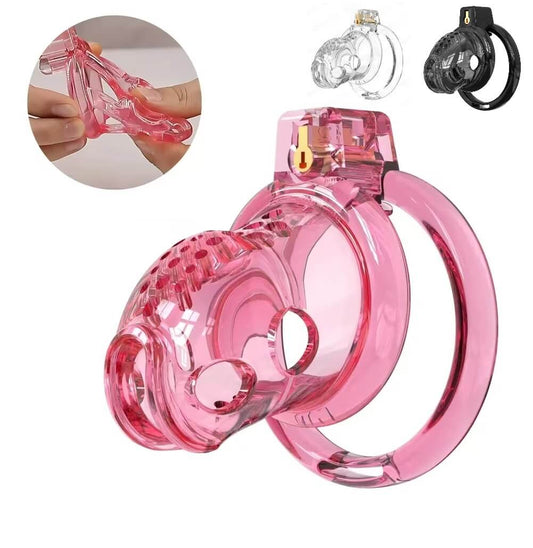
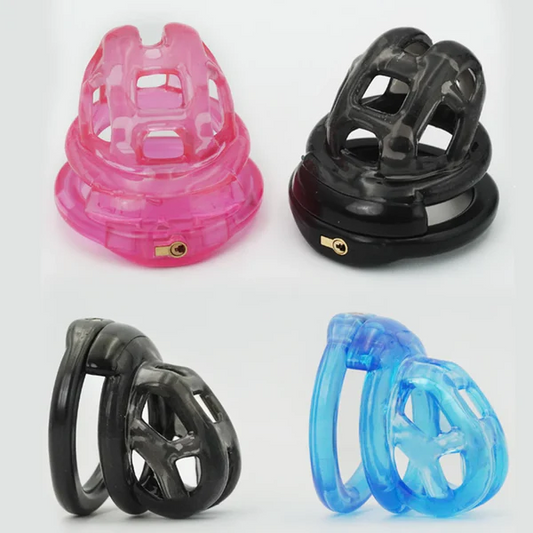
The current listing says the package contains one cage, four rings, and one Magic Lock, while a PA ring is not included; Pink, White, and Black variants are available. Its ring set is relevant when a recheck identifies the base-ring choice as the variable to compare. Limitation: The listing does not state the ring diameters or gap, so those values must be confirmed before using the set to solve instability.

Short Chastity Cage 1.8 Inches Long
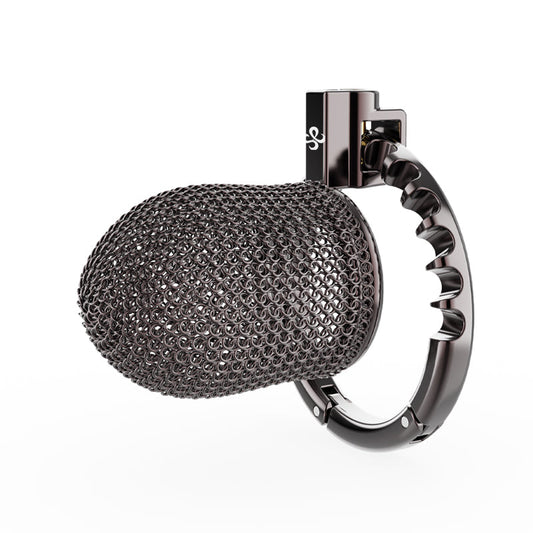
The current listing identifies stainless-steel construction, uses 1.8 inches in the product name, and offers 40, 45, and 50 mm ring variants. It provides a shorter-labeled candidate if a verified cage-length mismatch is the actual problem. Limitation: Reducing length without checking width, ring, gap, and the meaning of 1.8 inches may create a different mismatch.

New BDSM #55 Adjustable Male Chastity Cage
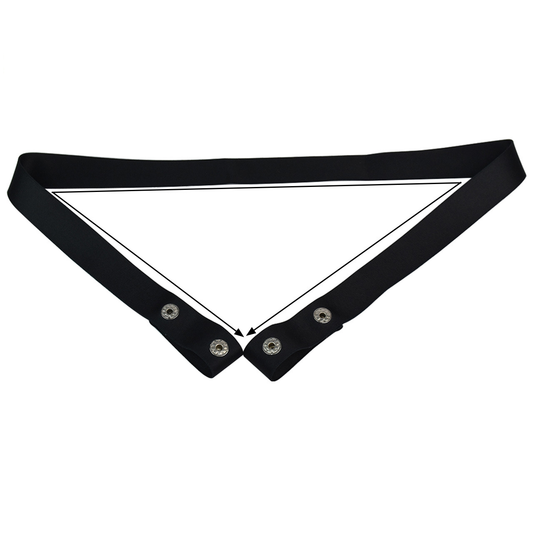
The current listing publishes an adjustable ring range of 32–50 mm with six adjustment positions and one purchasable product variant. Its six-position ring mechanism may be relevant when a documented ring range is needed. Limitation: The adjustment addresses only the ring; the cage body dimensions and complete assembled fit remain unresolved.

How an Oversized Configuration May Present
Possible signs include rotation, uneven pulling, a cage body that will not remain in the intended position, or large gaps compared with the verified design. Treat these as reasons to reassess, not proof that the cage length alone is wrong. Pain, numbness, color change, swelling, coldness, injury, or urinary difficulty still requires prompt removal.
Choose a Better-Documented Alternative
Build the next shortlist from complete internal measurements, base-ring geometry, gap, overall profile, selected variant, included parts, and removal instructions. Change only the field supported by the evidence. A smaller category label is not a remedy, and an adjustable system is useful only when its documented range addresses the identified variable.
Build an Evidence-Based Shortlist
Open the Small Chastity Cages collection and compare the same fields for every candidate. Record the exact variant, current dimensions, material wording, weight when published, lock and recovery method, included components, care information, and unresolved questions. The related guides on small versus standard cage comparison and short versus long cage comparison provide another route into the decision. Remove any candidate whose critical information cannot be confirmed.
Consent and Stop Conditions
This content is for consenting adults. Agree on access, check-ins, stop authority, and prompt removal before use. Remove the device for pain, numbness, unusual color, swelling, coldness, skin injury, reduced sensation, urinary difficulty, or unusual discomfort. Seek qualified medical help when symptoms persist or safe removal is not possible. Product instructions and individual professional guidance take priority over general shopping information.
Before a final choice, confirm that the Product title, selected Variant, specifications, featured image, package contents, and availability still describe the same item. Save the evidence date and ask about contradictions. A current answer is more useful than an older confident claim, especially when fit, access, electronics, or repeated use is involved.
Frequently Asked Questions
How can I tell if a cage is too large?
Shifting or excess space may be clues, but compare all dimensions, assembly, and parts before identifying a cause.
Why does a cage rotate?
Ring geometry, gap, cage dimensions, assembly, and movement can all contribute; rotation alone is not a diagnosis.
Should I choose a smaller ring or shorter cage?
Only after rechecking which verified field is mismatched. Changing the wrong dimension can create new pressure or instability.
Can padding make a loose cage fit?
Do not use improvised padding or modifications. Remove the device and compare a correctly documented configuration.
Choose by Verified Requirements
Start with your own measurements, access plan, and non-negotiable constraints, then compare only current listings that answer the necessary questions. A soft next step is to save three evidence-complete candidates from the relevant collection and ask the store about any missing field before ordering. The right outcome may be a different design—or a decision to wait until the evidence is clearer.