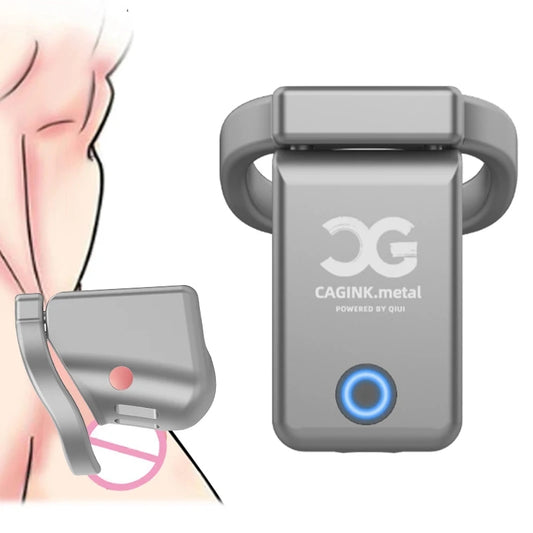
Short vs Long Chastity Cage: Which Length Should You Choose?
“Short,” “standard,” and “long” sound like simple size categories, but they are not consistent measurements across chastity cage listings. One seller may describe total device length, while another may list only the cage body. A third may put a number in the title without explaining where the measurement begins and ends.
The useful way to compare a short vs long chastity cage is to start with your measurements, then compare the same published dimension on each product. Length matters, but it cannot replace internal diameter, base-ring size, gap, shape, or lock position.
Short vs Long: The Quick Answer
A shorter cage is worth considering when your measurements support a shorter internal space and you want to evaluate a smaller cage-body footprint. A longer cage is a candidate when your measurements require more internal length. Neither label guarantees fit, comfort, discretion, or security. Use the chastity cage measurement guide, then match your result to a clearly defined product dimension.
Three Chastity Cages to Compare by Length
1. Steel Flat Chaste Lock Anti-Derailment — Flat Short-Profile Option
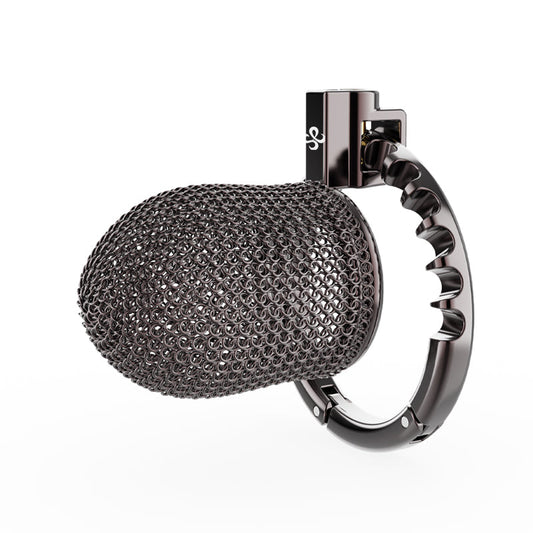
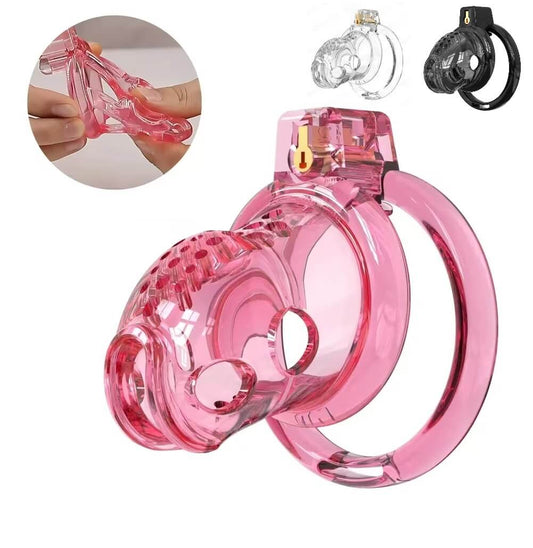
The Steel Flat Chaste Lock Anti-Derailment represents the shortest, flat-profile end of this comparison. Its listing describes a flat stainless-steel cage, offers arc or round rings in 40, 45, 50, and 55 mm sizes, and lists one cage, one ring, one lock, and two keys. It suits buyers specifically researching a very short or flat design. The page does not publish cage length, internal diameter, or gap, so use the image for structure only and ask for exact measurements before deciding whether it matches your body.

2. Stainless Steel Chastity Cage 3.15 Inches Long — Mid-Length Reference
The Stainless Steel Chastity Cage 3.15 Inches Long provides a better example of why measurement labels need context. Its listing separates an 8 cm total length from a 6 cm cage-body length and gives a 3.7 cm inside diameter. It also offers 40, 45, and 50 mm rings. This documented middle option suits buyers who want a clearer baseline for comparison. Still, the product page does not publish every fit field, including the ring-to-cage gap.

3. Steel Big Chastity Cage — Longest Option
The Steel Big Chastity Cage is the longest recommendation in this comparison. Its current listing states an inner tube length of about 5 inches, a 1.37-inch (34.8 mm) diameter, and a 1.5-inch (38 mm) pin distance. Its hinged ring is offered in 36, 40, 45, 50, and 55 mm sizes. This is the relevant candidate for buyers whose measurements call for substantially more internal length. Its size still needs to be checked together with diameter, ring, pin distance, shape, and overall profile.

Which Length Measurement Are You Comparing?
Internal usable length
This is the space available inside the cage. It is often the most useful length for a fit comparison, but many listings do not publish it clearly.
Cage-body length
This usually describes the tube, bars, or shell rather than the complete assembled device. Confirm the endpoints on a diagram instead of assuming.
Overall device length
This may include front hardware, the locking area, or the relationship between cage and ring. It helps estimate profile, but it may not describe usable internal space.
What Length Does Not Tell You
Two cages with the same stated length can feel very different because internal diameter, base-ring size, gap, angle, wall thickness, weight, and contact points also change the result. Compare millimeters with millimeters, convert inches carefully, and use the exact selected variant. You can review more options in the small chastity cage collection and the broader chastity cage collection.
What Can a Length Difference Feel Like?
A shorter cage may create earlier contact at the front, while a longer cage may allow more room or movement. Those are possibilities, not promises. Shape and sizing decide where pressure occurs. If you notice pain, numbness, swelling, unusual coldness, color change, injury, trouble urinating, or unusual discomfort, remove the device when safe and seek qualified help when needed. Keep emergency access available and use chastity devices only between consenting adults.
Frequently Asked Questions
How is chastity cage length measured?
It may mean internal length, cage-body length, or total assembled length. Check the diagram and written specifications for the exact measurement endpoints.
Is a shorter chastity cage always more comfortable?
No. Comfort also depends on diameter, base ring, gap, shape, finish, weight, and individual anatomy. Shorter is not automatically better.
What is the difference between internal and overall length?
Internal length describes usable space inside the cage. Overall length describes the external device and may include hardware that does not add internal room.
Should I choose cage length before base-ring size?
Treat them as separate fit checks. A suitable length cannot compensate for an unsuitable ring, and a suitable ring cannot correct the wrong cage dimensions.
Choose by Measurements, Not the Label
Use short, standard, and long only as starting labels. Compare internal length where available, then cage-body and overall length, diameter, ring, gap, and geometry. If a listing leaves the measurement unclear, ask before ordering rather than guessing. For another structure-based decision, see our open vs closed chastity cage comparison.