Open vs Closed Chastity Cage: Which One Should You Choose?
An open-frame cage can look easier to manage, while a closed cage can look neater and more contained. That visual difference does not answer the questions that matter most: Can you inspect the skin? Which areas can you reach during cleaning? Are the internal dimensions right?
There is no automatic winner in an open vs closed chastity cage comparison. Open designs may suit buyers who prioritize visible access. Closed designs may suit buyers who want more coverage and accept the cleaning routine.
Open vs Closed Chastity Cage at a Glance
| Buying factor | Open-frame cage | Closed or enclosed cage |
|---|---|---|
| Coverage | Large visible gaps between bars or supports | More continuous shell coverage, sometimes with slots or holes |
| Inspection access | May expose more areas for visual checks | May require removal for a complete inspection |
| Cleaning access | Reach depends on bar spacing, lock position, and removable parts | Reach depends on openings, shell shape, and care instructions |
| Contact pattern | Contact may be concentrated along bars and edges | Contact may be spread across larger shell areas |
| What to verify | Internal length and diameter, base-ring size, gap, material, weight, lock, finish, and included parts | |
What Counts as Open or Closed?
Open-frame or open-bar cages
An open cage uses separated bars, ribs, rings, or struts around much of the cage. Judge the product images and construction rather than a “breathable” label. A few small slots do not necessarily make a design open, and visible openings do not prove airflow, hygiene, or comfort.
Closed or enclosed cages
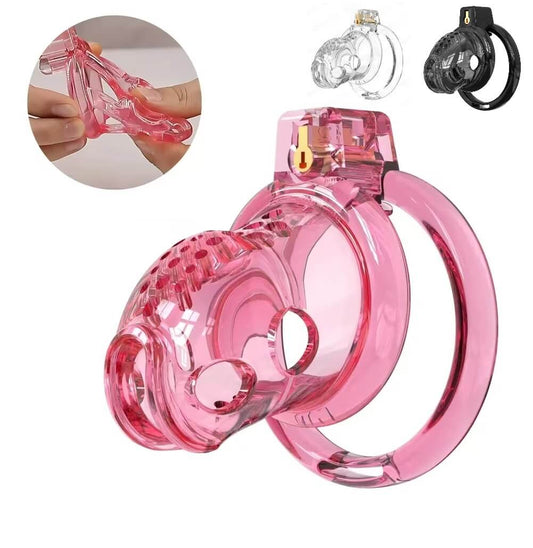
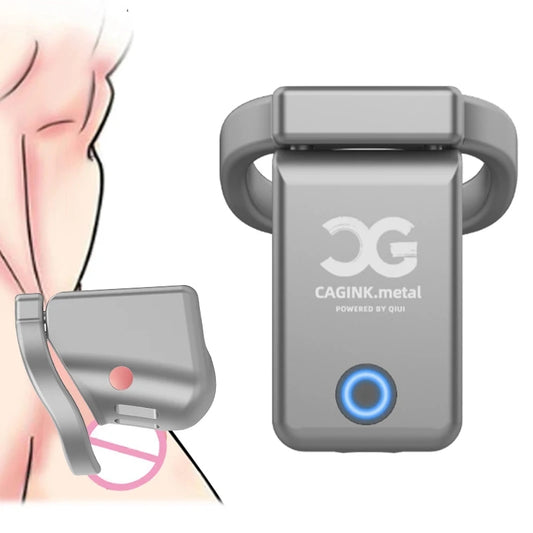
A closed cage has more continuous coverage around its body, but may still have a front opening or slots. “Closed” does not mean sealed, waterproof, more secure, or more discreet. Some products sit between the categories, so compare the amount and position of coverage.
Key Differences That Matter in Use
Inspection, cleaning, and drying
Open construction can expose more surfaces, but narrow spaces around a lock or pin may still collect moisture. A closed shell can require more deliberate cleaning and drying. Neither style removes the need for regular removal, inspection, and material-appropriate care.
Dimensions, profile, and contact points
Do not choose by appearance alone. Compare the exact variant’s internal length, internal diameter, base-ring size, and gap. Overall length and lock placement also affect the device profile. Use the chastity cage measurement guide before matching your measurements to a listing.
An open frame may make individual bars or edges more noticeable. An enclosed shell may create broader areas of contact. The result depends on sizing, shape, finish, material, movement, and the wearer; structure alone cannot predict comfort.
Which Structure Matches Your Priorities?
Consider an open-frame cage when visual inspection and access between supports are important. Consider a closed cage when you prefer more coverage and understand how to clean and dry the enclosed areas. Pause when a listing omits measurements, material, included parts, or usable images.
You can compare the selection in the chastity cage collection. If material is also part of your decision, read the metal vs silicone chastity cage comparison; material and coverage are separate decisions.
Recommended Chastity Devices
1. Snake Penis Lock Male Chastity Device — Open Design
The Snake Penis Lock Male Chastity Device is the clearest open-style option in this comparison. Its product page lists a 65 mm total cage length, 33 mm internal width, and 40, 45, or 50 mm ring choices. The widely spaced frame leaves much of the cage area visible, making it a practical shortlist candidate for buyers who prioritize inspection access. Its limitation is equally clear: the exposed, sculpted frame creates distinct contact points, so the published measurements and shape need careful review before ordering.

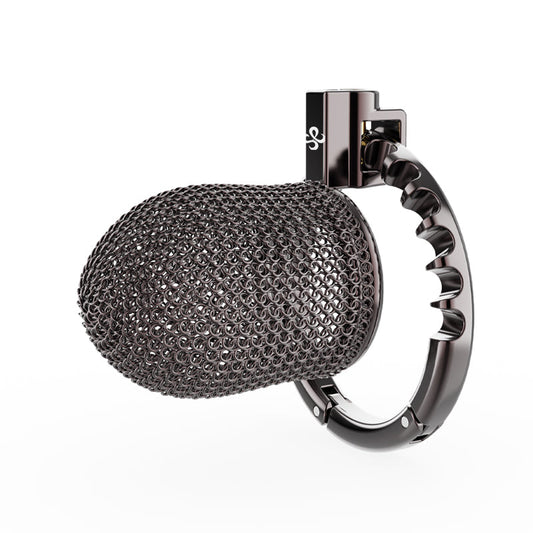
2. Stainless Steel Detachable Cock Cage — Closed Cover
The Stainless Steel Detachable Cock Cage represents the covered side of the decision. Its currently available cover has a urine opening, with 38, 43, 48, and 52 mm ring variants. The ring opens for fitting, and the product description lists one cage, one or two covers, one ring, and two keys depending on the selected package. It suits buyers who want more continuous coverage and a removable cover system. The tradeoff is that full inspection and drying require more deliberate removal and access than an open frame.

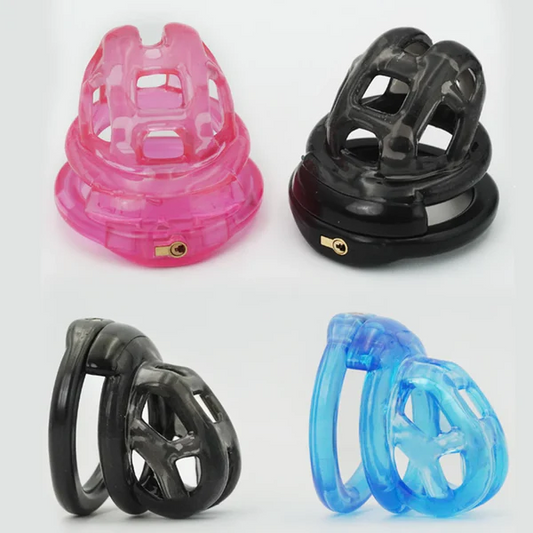
3. 3D Armour or Beehive Chastity Cage — Hybrid Openwork Shell
The 3D Armour or Beehive Chastity Cage shows why open and closed are not always binary. Its nylon-resin cage has a more continuous body than a few metal bars, while the honeycomb-style cutouts create an openwork shell. Black and pink options are listed, with either three rings in 41, 46, and 51 mm sizes or four rings adding a 57 mm option; both kits list one cage, one MagicLocker, and two keys. It fits buyers balancing coverage with visible openings. The product page does not publish every internal cage dimension, so confirm those details before choosing a variant.

What May the Structural Difference Feel Like?
With an open design, movement or pressure can feel more concentrated where the frame makes contact. With a closed shell, contact may feel broader and moisture may be less visible. Weight and visibility under clothing depend on the complete device, not simply whether it is open or closed.
Allow time for careful fit checks with any unfamiliar cage and keep removal access available. Stop using it if you notice pain, numbness, swelling, unusual coldness, color change, injury, difficulty urinating, or unusual discomfort. Seek qualified help if symptoms persist or safe removal is not possible.
Advantages and Limitations
Open structures
- Potential advantages: more visible openings and potentially better access for inspection, cleaning, and drying.
- Potential limitations: exposed bars, edges, and concentrated contact points; openness alone does not establish comfort or cleanliness.
Closed structures
- Potential advantages: more continuous coverage and fewer large exposed areas.
- Potential limitations: complete inspection, cleaning, and drying may take more steps; coverage does not establish security or discretion.
Frequently Asked Questions
Is an open or closed chastity cage easier to clean?
An open cage may provide better access between its supports, but the lock, joints, and bar spacing still matter. A closed cage may need removal for complete cleaning and drying. Follow the instructions for the exact material and design.
Are open chastity cages more comfortable?
Not automatically. Open construction changes where contact occurs, while comfort also depends on measurements, ring shape, gap, finish, weight, and movement. No structure is comfortable for every body shape.
Does a closed cage provide more security?
More coverage does not prove greater security. Lock design, material, construction, fit, and intended use all matter, and a product page should not be treated as escape-resistance testing unless evidence is provided.
How can I tell if a cage is truly open or enclosed?
Review several clear product images and look for continuous shell coverage versus separated bars or supports. Then check the written dimensions, material, openings, removable parts, and care instructions. If the images and description disagree, ask the seller before ordering.
Open or Closed: The Final Choice
Choose an open cage when reachable surfaces and visual checks match your priorities. Choose a closed cage when you want more coverage and understand its maintenance routine. In either case, confirm measurements, material, lock, included parts, and care before ordering.