How to Choose Your First Chastity Cage
Choosing a first chastity cage can become confusing quickly. One listing emphasizes material, another shows several rings, and a third uses “adjustable” without explaining what changes. The useful question is which listing gives you enough verified information to compare with your measurements and access plan.
Start with a short list of requirements: usable dimensions, ring configuration, removal access, cleaning access, and included parts. Treat color, decorative details, and advanced controls as optional until the basic fit and ownership questions are answered.
First Chastity Cage: What to Compare
| Buying factor | What to verify | Why it matters |
|---|---|---|
| Dimensions | Internal length and diameter, base-ring size, gap, and units | Seller size labels are not standardized |
| Construction | Published material wording, openings, joints, and finish | Photos and category names do not establish how a device will feel |
| Access | Lock type, keys, spares, and an available removal method | Every setup needs a clear access plan |
| Package | Exact cage, rings, lock, keys, and other included pieces | Different variants may include different components |
Match Measurements to the Exact Listing
Use the chastity cage measurement guide, then compare each result with the same type of product measurement. Cage-body length, internal usable length, and overall device length are not interchangeable. Base-ring diameter and the ring-to-cage gap are separate checks as well.
Confirm the selected variant before ordering. A chart may show a different length or ring set from the option in your cart. Pause when a critical dimension is missing; adjustability cannot replace an unpublished measurement.
Product examples for this comparison

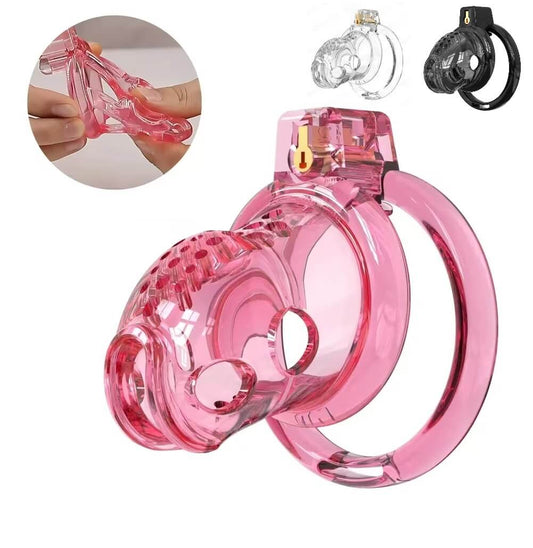
Exclusive New Model Silicone Chastity Cage
This product offers Pink or Black with Long or Short cage options, while the page lists 36, 40, 50 and 55 mm ring sizes. It provides a silicone-labelled comparison against metal designs. The length labels alone are not numerical measurements, so use the product’s corresponding size information before choosing.
View Product
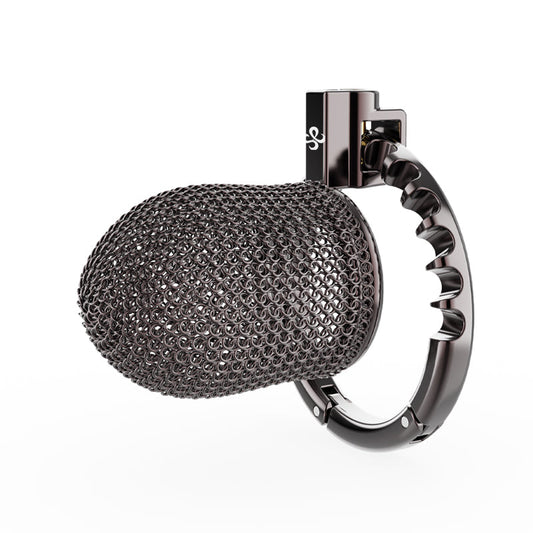
Adjustable Chainmail Chastity Cage
This chainmail design pairs a mesh cage body with a listed 38–60 mm adjustable ring range. Short and Long are separate cage options. It illustrates the distinction between ring adjustment and cage size: a wider adjustment range does not define the cage’s internal dimensions or guarantee personal fit.
View Product
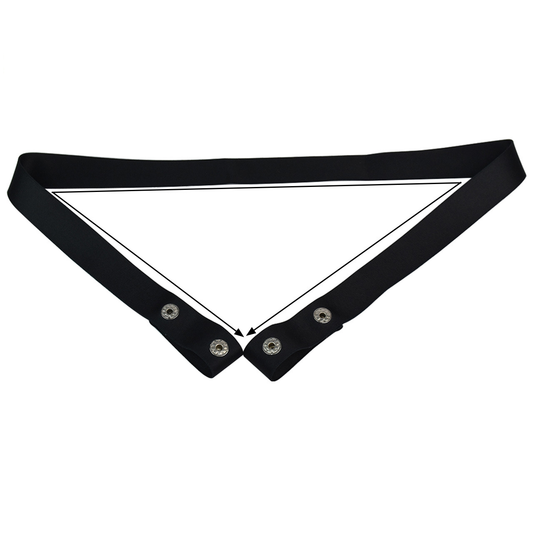
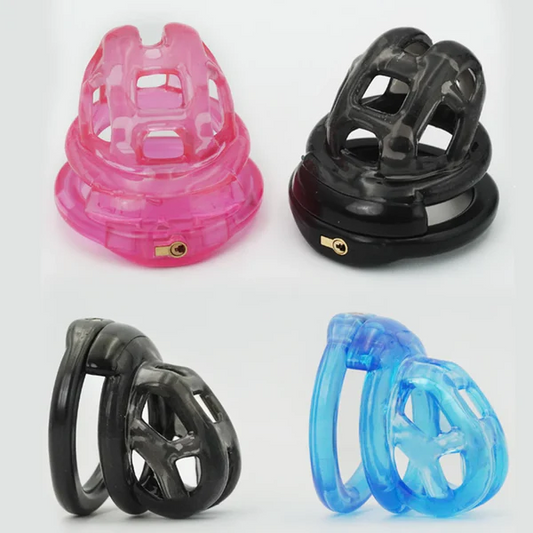
304 Stainless Steel Chastity Cage
This open-bar model offers S, M and L cages with Arc or Round rings, four ring diameters and an optional belt. The material is listed as 304 stainless steel. It is a useful comparison when you want to separate cage size, ring geometry and accessory choice before placing an order.
View ProductChoose a Setup You Can Understand and Maintain
For a first cage, fewer unexplained dependencies make comparison easier. A mechanical lock still requires key storage and spare-access planning. Adjustable and multi-ring systems add parts to inspect, clean, dry, and store.
Open and enclosed structures also create different inspection and cleaning questions. The open vs closed chastity cage comparison explains those tradeoffs, while the adjustable vs fixed ring guide covers ring systems in more detail. You can then review current options in the chastity cage collection.
What a First Cage May Feel Like
An unfamiliar device may increase awareness of weight, movement, contact points, and lock position. Experiences vary with dimensions, shape, material, clothing, activity, and anatomy. A shorter or flexible-looking design is not automatically more comfortable.
Use chastity devices only between consenting adults. Agree on check-ins and stop conditions, keep an accessible removal method available, and begin gradually according to the product instructions. Stop use for pain, numbness, swelling, unusual coldness, color change, injury, difficulty urinating, or unusual discomfort. Seek qualified help if symptoms persist or safe removal is not possible.
Turn the comparison into a shortlist
These examples separate colour and length choices, ring adjustment, and fixed-size metal configurations. Compare the same measurements for each candidate, then check how the device opens and what the selected package contains. A product can be a useful comparison without being suitable for every first-time buyer.
Frequently Asked Questions
What type of chastity cage should I buy first?
Start with the configuration whose measurements, ring system, lock, included parts, and care needs you can verify. Do not choose only because a listing calls a product beginner-friendly.
Should a first chastity cage be adjustable?
Adjustability can provide a documented range, but it also introduces a mechanism to understand and inspect. It is useful only when the published range and complete cage geometry match your requirements.
Is a flexible or rigid cage better for a first-time buyer?
Neither is automatically better. Compare exact construction, dimensions, contact points, cleaning instructions, and lock access rather than inferring comfort or safety from a material category.
Which measurements matter before ordering a first cage?
Check internal or usable cage length, internal diameter, base-ring diameter, ring-to-cage gap, and overall profile where published. Make sure the numbers apply to the selected variant and use consistent units.
Choose your next step
Record your measurements and access requirements, compare three current listings field by field, and remove any candidate with an unanswered critical question. A suitable first shortlist is not the one with the strongest marketing claim; it is the one that lets you make the fewest assumptions before ordering.