Adjustable vs Fixed Ring Chastity Cage: How to Choose
An adjustable ring can look easier when sizing is uncertain. A fixed ring can look simpler with fewer adjustment points. Neither label tells you whether the complete cage will fit, and “adjustable cage” does not always mean the base ring adjusts.
For a useful fixed vs adjustable base ring chastity cage comparison, check the exact mechanism, published ring diameter or range, included parts, and compatibility with the selected cage. Measure first, then compare the listing rather than treating adjustability as a substitute for sizing.
Adjustable vs Fixed Rings at a Glance
| Buying factor | Adjustable ring | Fixed ring |
|---|---|---|
| Size choice | A published range or several adjustment positions | One stated diameter per ring or variant |
| Parts and joints | May use gears, segments, fasteners, or moving joints | May be one piece, hinged, or supplied as several separate rings |
| Main check | What adjusts, by how much, and how it locks in place | Exact diameter, shape, connector, and cage compatibility |
| Common mistake | Assuming the range guarantees fit | Assuming every ring with the same diameter has the same geometry |
Define the Ring System Before Comparing
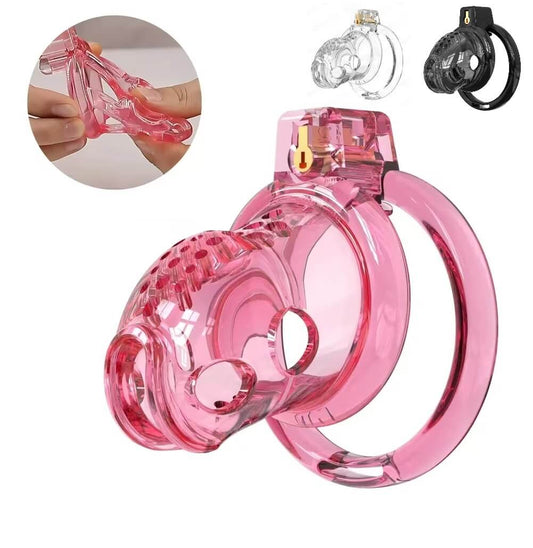
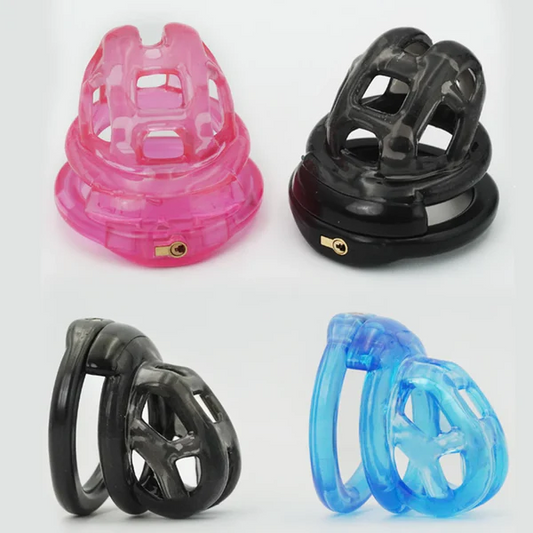
A fixed base ring keeps its chosen circumference. It may be solid, hinged for fitting, or selected from a multi-ring kit. Hinged describes how a ring opens; it does not make the diameter adjustable.
An adjustable ring changes its effective size through a documented mechanism. Confirm that the base ring—not the cage length, belt, gap, or another component—is the adjustable part. Use the chastity cage measurement guide, then compare the result with the exact ring range or discrete sizes. The adjustable chastity cage collection and hinged-ring cage collection are useful starting points, but each listing still needs its own check.
Product examples for this comparison

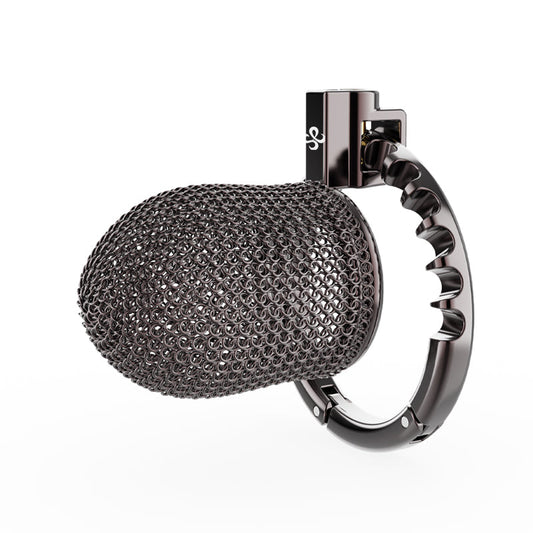
Adjustable Chainmail Chastity Cage
This chainmail design pairs a mesh cage body with a listed 38–60 mm adjustable ring range. Short and Long are separate cage options. It illustrates the distinction between ring adjustment and cage size: a wider adjustment range does not define the cage’s internal dimensions or guarantee personal fit.
View Product
304 Stainless Steel Chastity Cage
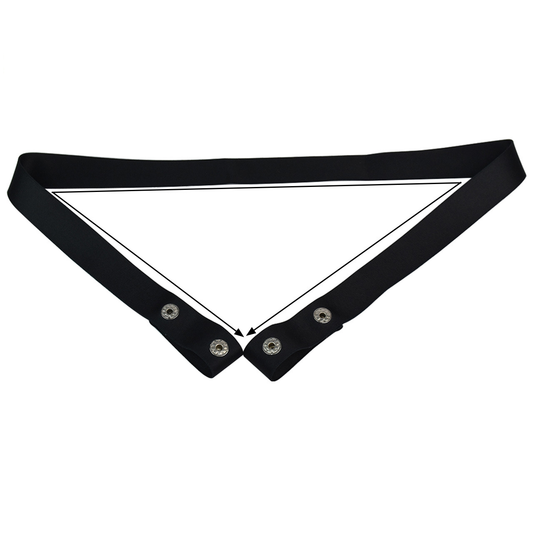
This open-bar model offers S, M and L cages with Arc or Round rings, four ring diameters and an optional belt. The material is listed as 304 stainless steel. It is a useful comparison when you want to separate cage size, ring geometry and accessory choice before placing an order.
View ProductWhat Changes in Setup and Ownership?
An adjustable mechanism can add joints, fasteners, or positions to inspect. A fixed ring removes the adjustment step, but separate sizes create parts to store. With either system, confirm that the ring, connector, lock, and cage share one configuration.
Cleaning and drying depend on construction. Extra joints can require more attention, while a hinged fixed ring still has a closure to inspect. Follow the product’s care instructions; do not modify a closure or force mismatched parts.
Choose Fixed, Choose Adjustable, or Pause
Choose a fixed option when your measurements match a documented diameter and you prefer a defined ring piece. Choose adjustable when the published range covers your measured requirement and you accept the setup and inspection involved. Pause when a listing omits the adjustable component, ring range, fixed diameters, included parts, or compatibility details.
Ring choice is only one fit decision; cage body, diameter, gap, shape, weight, and lock position still matter. Compare seller size labels in our small vs standard chastity cage guide, and review length in the short vs long chastity cage comparison.
Use chastity devices only between consenting adults, agree on access and stop conditions, and keep a safe removal method available. Stop use if there is pain, numbness, swelling, color change, unusual coldness, injury, trouble urinating, or unusual discomfort. Seek qualified help if symptoms persist or safe removal is not possible.
Frequently Asked Questions
Is an adjustable chastity cage ring better for beginners?
Not automatically. A documented range may provide more settings, but the adjustment mechanism adds setup and inspection steps. A clearly sized fixed ring may be easier to understand when the measurements match.
Does an adjustable base ring fit everyone?
No. A 32–50 mm range, for example, only describes the published adjustment span. Ring shape, cage geometry, connector gap, movement, and individual anatomy still affect suitability.
How do I compare a fixed ring with an adjustable ring?
Compare your measurement with the fixed diameter or adjustable range, then check ring shape, closure, included parts, compatible cage, lock interaction, and care requirements. Do not compare labels without the underlying figures.
Are multi-ring kits the same as adjustable rings?
No. A multi-ring kit normally provides several separate ring pieces, while an adjustable ring changes size through one mechanism. Verify the number and dimensions of the included rings because a kit title may not publish them.
Make the Choice From Documented Details
Choose the ring system whose dimensions and parts match your measured needs. Adjustable does not mean universal. Shortlist products with clear specifications, ask when ring data is missing, and compare the complete cage before buying.