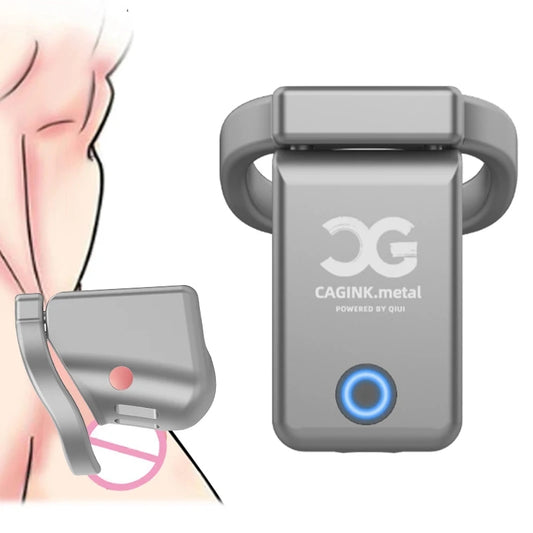
Traditional Lock vs Smart Chastity Devices: What Changes?
Choosing between a traditional key lock and a smart chastity device is really a choice between two access systems. A mechanical design asks you to manage keys, replacement access, and physical parts. An app-controlled design adds a phone, account, connection, charging, software support, and a documented recovery path. Those extra dependencies may be worthwhile when verified remote functions are central to an agreed adult use case, but they should never be treated as automatic improvements.
Compare the Dependency Chain, Not the Novelty
Start with removal. For a traditional lock, confirm what keys are included, who holds them, and whether a compatible replacement is documented. For a smart model, record the app name, supported operating systems, account and permission requirements, power source, charging parts, connection method, and what happens when any link in that chain is unavailable. A product name containing “smart” or “remote” does not answer those questions. The simpler choice is the one whose access and failure plan you can explain before use.
Recommended Chastity Devices
These three current products illustrate different comparison roles. Each was ACTIVE and available for sale when this draft was prepared, but availability and specifications should be checked again before ordering.
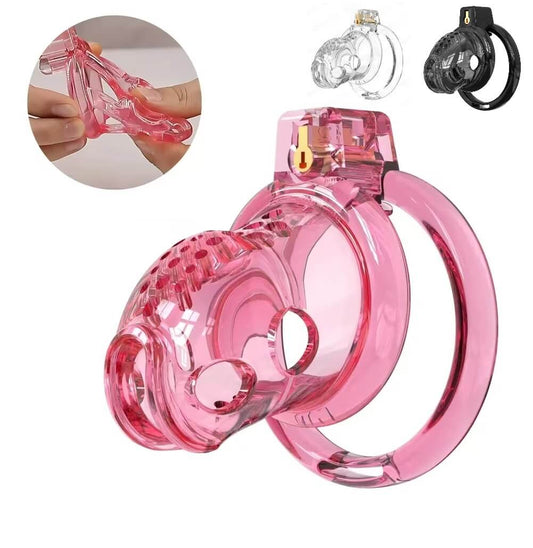
Lockink Bee Sting Chastity Lock Mobile Controlled Remotely
The current listing states ABS plus silicone construction, a 119 gram weight, 40, 45, and 50 mm rings, magnetic charging, and mobile-app control. It suits a buyer specifically comparing a listed mobile-control system and a published 119 gram configuration. Limitation: App availability, permissions, connection behavior, battery performance, support, and manual recovery still need current manufacturer documentation.

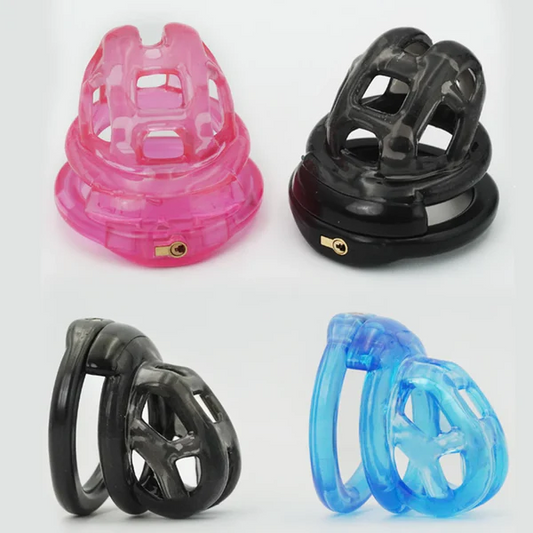
Cellmate 2 Chastity Cage App Controlled
The current listing offers Short and Long variants, publishes front dimensions of 37 × 100 mm and 37 × 120 mm, and describes an adjustable snap ring, app control, timed unlocking, and USB or wireless charging. It suits a buyer comparing two listed cage lengths and an app-controlled system with charging requirements. Limitation: The product page’s function and waterproofing statements are seller claims; confirm current app support and a manufacturer-approved recovery path before relying on them.

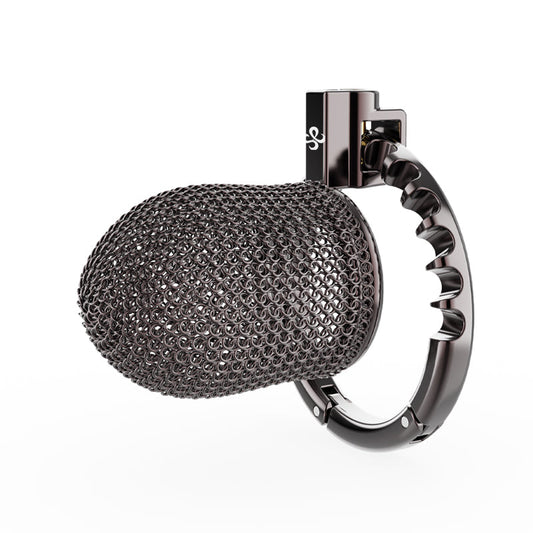
Steel Flat Chaste Lock Anti-derailment
The current listing states stainless-steel construction, Arc or Round ring styles, 40, 45, 50, and 55 mm ring variants, and a package with one cage, one ring, and one lock with two keys. It provides a mechanical reference with documented ring choices and two physical keys. Limitation: The page does not publish assembled weight or complete internal and external dimensions, so it cannot be selected on profile or weight alone.

Reliability Is a Question Set
Mechanical systems can fail through lost keys, damaged locks, or incompatible replacement parts. Smart systems add loss of connection, phone access, account access, depleted power, app changes, and discontinued support. Do not score either category as universally more reliable. Instead, write down each dependency, the approved response to failure, and the person who can remove the device promptly.
Privacy and Consent Belong in the Setup
Remote access changes who can act and what data may be involved. Agree on permissions, check-ins, stop authority, key or recovery access, and what happens if the wearer asks to end the session. Review the app’s current privacy information rather than assuming that a remote feature is private. Consent can be withdrawn at any time, and technical control must never override that decision.
Build an Evidence-Based Shortlist
Open the App-Controlled Chastity Cages collection and compare the same fields for every candidate. Record the exact variant, current dimensions, material wording, weight when published, lock and recovery method, included components, care information, and unresolved questions. The related guides on adjustable versus fixed ring comparison and how to choose a first chastity cage provide another route into the decision. Remove any candidate whose critical information cannot be confirmed.
Consent and Stop Conditions
This content is for consenting adults. Agree on access, check-ins, stop authority, and prompt removal before use. Remove the device for pain, numbness, unusual color, swelling, coldness, skin injury, reduced sensation, urinary difficulty, or unusual discomfort. Seek qualified medical help when symptoms persist or safe removal is not possible. Product instructions and individual professional guidance take priority over general shopping information.
Before a final choice, confirm that the Product title, selected Variant, specifications, featured image, package contents, and availability still describe the same item. Save the evidence date and ask about contradictions. A current answer is more useful than an older confident claim, especially when fit, access, electronics, or repeated use is involved.
Frequently Asked Questions
Is an app-controlled chastity device better than a key lock?
Only when its verified functions match your agreed needs and you accept the added account, connection, power, privacy, and recovery work.
What happens if a smart device loses power?
Use only the current manufacturer-documented recovery method. If prompt removal cannot be assured, pause the plan before use.
Do smart chastity devices always have manual release?
No. The listing must identify a current, approved recovery path; do not infer one from the product category.
What should be agreed before remote control is used?
Agree on adult consent, stop authority, check-ins, account access, privacy expectations, and immediate removal responsibility.
Choose by Verified Requirements
Start with your own measurements, access plan, and non-negotiable constraints, then compare only current listings that answer the necessary questions. A soft next step is to save three evidence-complete candidates from the relevant collection and ask the store about any missing field before ordering. The right outcome may be a different design—or a decision to wait until the evidence is clearer.