Inverted Chastity Cages: What Should You Measure Before Buying One?
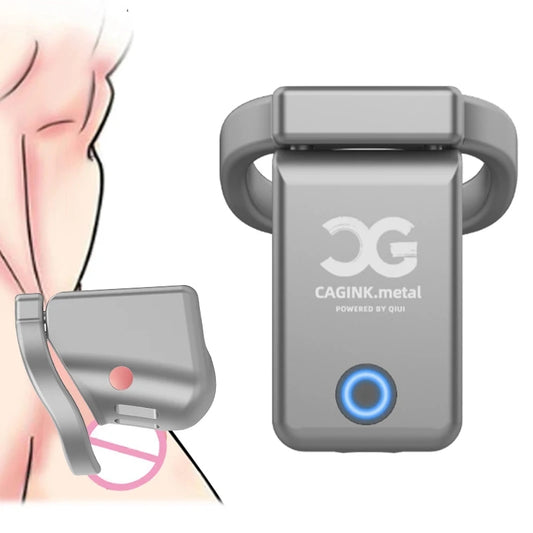
An inverted chastity cage cannot be chosen from ordinary cage length alone. Instead of providing a tube that projects forward, an inverted or recessed design brings the front structure close to—or partly around—the surrounding body. That geometry makes clearance, depth, ring position, and contact while seated especially important.
Before buying, build a measurement worksheet from the exact product diagram. If the page omits a critical dimension, treat it as unknown rather than estimating from photos.
1. Start with the Base Ring, but Record Its Shape
Measure according to the seller’s instructions and compare internal diameter with internal diameter. Note whether the option is round, arc-shaped, flat, hinged, or adjustable. In an inverted design, the ring and front structure may sit close together, so ring geometry can change the angle and surrounding contact.
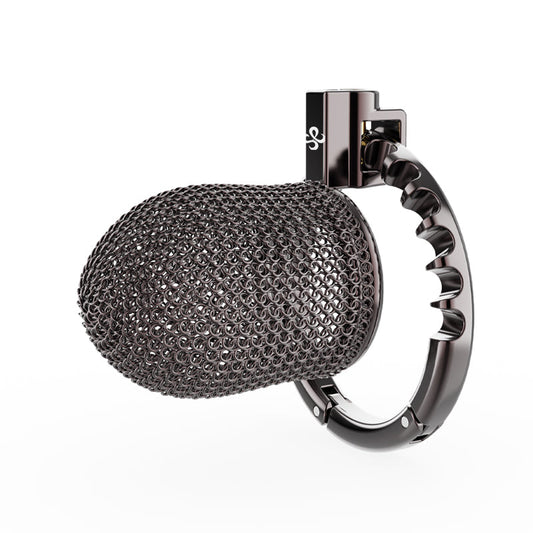
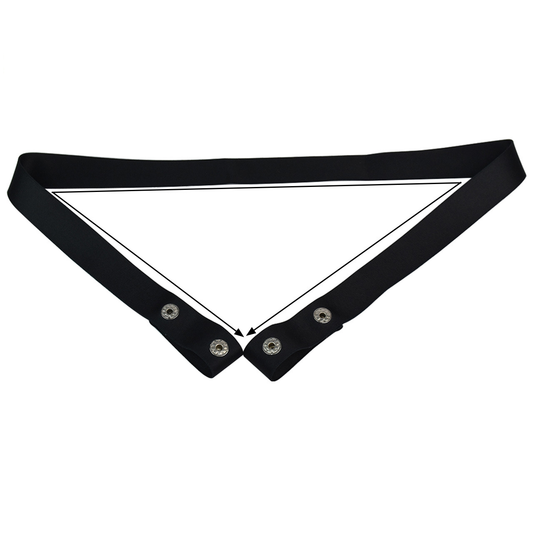
The Morning Glory Inverted Chastity Cage currently lists four ring sizes—42, 44, 46, and 49 mm—and optional belt variants. The Butterfly Inverted Chastity Cage offers arc or flat ring types in four diameters, with additional belt variants. Those are meaningfully different selection systems even though both products share the inverted label.


2. Ask for Recess or Cage Depth
A conventional listing may emphasize tube length. For an inverted cage, ask how far the structure sits inward or how much usable internal depth it provides. Confirm the start and end points on the diagram. External depth, internal depth, and overall front-to-back profile are not the same number.
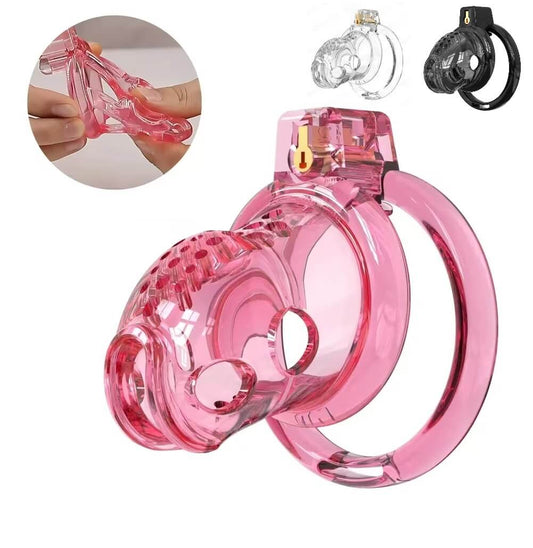
The Micro Inverted Chastity Cage currently gives 40, 45, and 50 mm ring variants and an approximate weight, but its text does not publish a clear internal recess depth. That missing field is a reason to request the product diagram or clarification—not a reason to infer depth from “micro.”

3. Measure Surrounding Body Clearance
Look at the width and height of the front plate or tray, the position of its edges, and the space required around it. An inverted design may contact areas that a projecting tube does not. A cage can match one internal dimension yet be unsuitable because the surrounding plate is too wide, too narrow, or positioned poorly for the wearer’s anatomy.
Check whether the product offers a belt, support point, catheter or urethral component, spikes, or other optional hardware. Each changes the required clearance and risk profile. Do not include an optional insert in the first fit test merely because it appears in the package.
4. Gap and Assembly Still Matter
Record the distance and connection between the base ring and front structure. If the gap is fixed, confirm its published measurement. If parts or screws create multiple positions, identify the actual range and required tools. A shallow front profile cannot compensate for an incorrect ring-to-cage relationship.
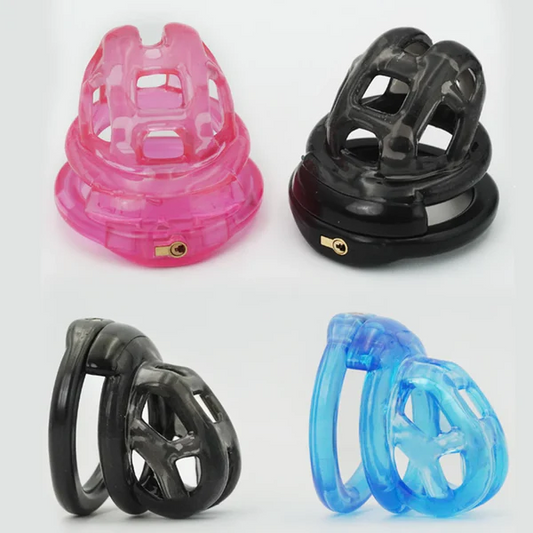
The current Most Secure Chastity Device Inverted page lists four ring diameters and a 27 mm tray diameter, but directs buyers to an image for other sizing. Ignore the absolute security claims and obtain the missing dimensional endpoints before using it in a fit comparison.

6. Separate Product Evidence from Category Assumptions
Do not assume every inverted cage is flat, metal, micro, belt-compatible, or designed around the same retention method. Collection membership helps discovery; it does not fill missing specifications. Compare the title, selected variant, written dimensions, option menu, package list, and current diagram together. If two sources on the same product page conflict, ask which one applies to the variant you plan to buy.
Weight also deserves its own line. A recessed profile can look visually minimal while still using substantial metal or a wide plate. The Micro Inverted listing publishes approximately 126 g; the other examples above do not provide a comparable assembled weight in their text. Leave those cells blank rather than ranking them from appearance.
5. Simulate Sitting and Movement Before Locking
Hold or assemble the device according to its instructions without committing to a long session. Check standing, sitting upright, sitting on a softer surface, bending, and a short walk. Note whether pressure comes from the ring, the edge of the front plate, the lock, or a belt attachment.
Inverted geometry may feel acceptable standing and change noticeably when the pelvis rotates into a seated position. That is why normal cage length is not enough. Remove promptly for pain, numbness, unusual color, swelling, coldness, broken skin, urinary difficulty, or escalating discomfort.
Your Inverted-Cage Worksheet
- Base-ring internal diameter and shape
- Internal recess depth with defined endpoints
- Front plate or tray width and height
- Ring-to-front gap or adjustment range
- Overall assembled depth and lock projection
- Body clearance around every edge
- Selected variant and included support parts
- Removal tools and immediate access plan
Browse the Inverted Chastity Cage collection to compare diagrams and ring systems, then use the Flat Chastity Cages collection if your real goal is a lower profile without an inward geometry.
The existing chastity cage size guide explains how to normalize units and distinguish internal from external measurements. The comparison of small and standard cages is useful when size labels are obscuring actual numbers.
The buying rule is simple: do not order an inverted cage until you can map its ring, depth, surrounding clearance, gap, and assembled profile to the wearer. A shorter-looking product photo cannot answer those five questions.