What If You’re Between Two Chastity Ring Sizes?
You measured carefully, checked the chart, and still landed between two chastity ring sizes. One feels secure but becomes questionable after movement; the next feels easier at first but allows the whole device to shift. Which one should you choose?
Do not solve that problem by automatically taking the smaller ring. The useful answer comes from observing what each size does in the complete assembled device, across ordinary body changes and positions, during a brief test with immediate removal access.
First Confirm That the Two Sizes Are Truly Comparable
Check whether the listing gives an internal diameter or a circumference. Confirm millimeters versus inches and round versus oval or arc-shaped rings. A 45 mm round ring and an arc ring carrying a similar label do not necessarily create the same contact pattern. The cage-to-ring gap and lock position can also make one assembled setup behave differently from another.
Use the chastity cage size guide for the full measurement process. For this particular decision, keep your focus on the two candidates and hold every other variable steady: same cage, same gap parts, same lock, and the same short test conditions.
Signs the Smaller Ring May Be Too Tight
A smaller ring is not “more secure” if it creates persistent pinching, escalating pressure, difficult removal, or concerning circulation changes. Remove the device promptly for pain, numbness, unusual color, swelling, coldness, broken skin, or urinary difficulty. Do not treat those signs as a break-in period.
Less dramatic clues also matter. If a ring feels acceptable while standing but produces concentrated pressure when sitting, its shape or size may not suit that position. If normal body changes turn a close fit into a difficult one, the test has already answered the question. More time is not required.
Test Normal Variation, Not One Perfect Moment
Measurements can change with temperature, activity, time of day, and body position. That does not mean you should test extreme conditions. It means a ring should not be selected from one unusually relaxed measurement. Repeat the measurement at ordinary times and reject a size that only works in a narrow moment. The product must remain promptly removable during the normal variation you actually observe.
Signs the Larger Ring May Be Too Loose
A larger ring may allow excessive rotation, a changing gap, or forward movement of the complete device. Observe whether the base ring itself changes position or whether only the cage pulls away from it. Those are different fit problems. The guide to what happens when a cage is too large explains why ring size and cage size should not be treated as one measurement.
Do not test security by forcefully pulling on the device. Ordinary standing, sitting, and a short walk provide more useful information. A ring that shifts slightly with the body is not automatically wrong; a setup that repeatedly loses alignment or creates friction needs reassessment.
Run a Short A/B Fit Test
- Assemble the larger ring with the chosen cage and gap configuration.
- Check removal, skin contact, alignment, and access before locking.
- Stand, sit, and walk briefly. Note which component moves.
- Remove the device and allow the body to return to its usual state.
- Repeat with the smaller ring under comparable conditions.
- Reject either option that creates warning signs or cannot be removed promptly.
Record observations rather than a vague comfort score. Useful notes include “whole device rotates while walking,” “pressure appears only when seated,” “base ring stays but cage moves forward,” and “removal becomes difficult after normal body change.”
When a Ring Set Helps
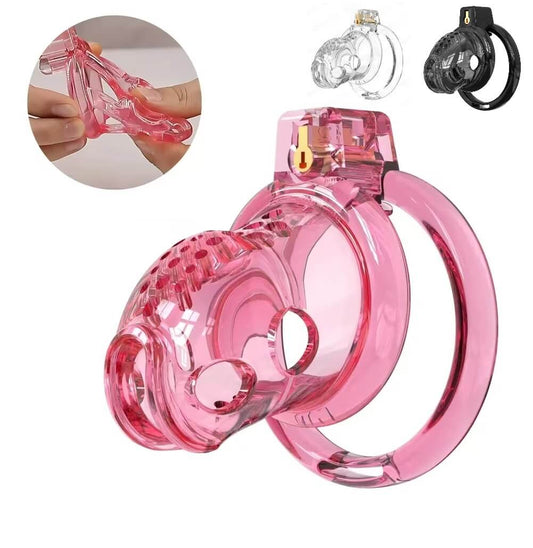
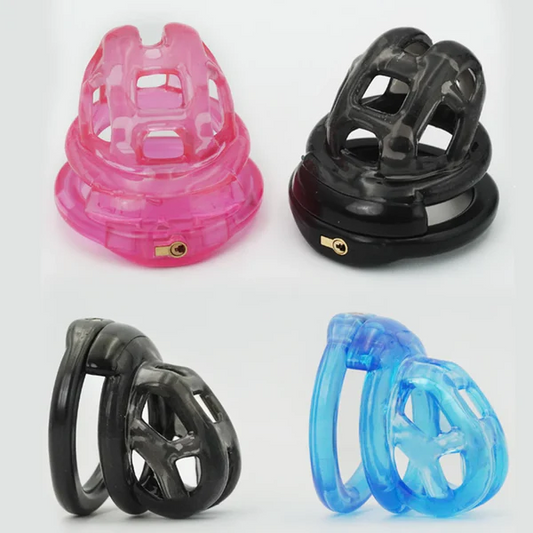
A multi-ring kit lets you compare sizes without buying a second complete cage. The Exclusive New Model Silicone Chastity Cage currently lists 36, 40, 50, and 55 mm rings. The 3D Printing Chastity Cage With 4 Rings includes four rings, although its page does not publish their diameters; ask for those measurements rather than assuming equal steps.


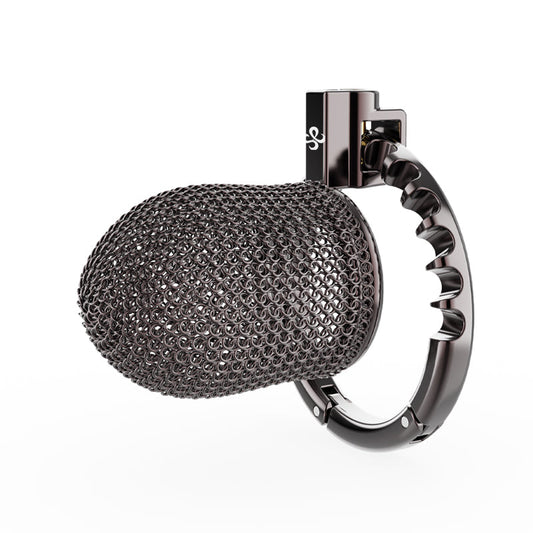
The broader Chastity Cages collection includes both single-ring and multi-ring configurations. Product photos can show ring shape, but the listing still needs numeric dimensions for a reliable comparison.
When Adjustable Is More Useful Than Choosing Up or Down
An adjustable design may fill the gap between two fixed sizes, but “adjustable” must translate into a mechanism and range. The New BDSM #55 Adjustable Male Chastity Cage publishes a 32–50 mm adjustable range with six settings. That gives more increments, not a guaranteed fit. Each setting still needs the same movement, pressure, and removal checks.

Compare the trade-offs in the existing guide to adjustable versus fixed chastity rings, or browse the Adjustable Chastity Cages collection when fixed sizes leave too large a jump.
The Decision Rule
Choose the smallest option only if it remains free of concerning pressure and can be removed promptly across the positions and body changes you actually tested. Choose the larger option only if it maintains alignment without excessive shifting or friction. If neither passes, change the ring geometry, gap, or cage design instead of forcing a compromise.
Being between two sizes is not a reason to tolerate a bad fit. It is evidence that the product’s available increments may not match your body—and that is a valid reason to select a different ring system.