What Makes a Chastity Cage Easier to Clean?
You can learn a surprising amount about future cleaning before a chastity cage arrives. Ignore the word “hygienic” for a moment and study the structure: where water and residue can enter, which surfaces you can see, which parts detach, where a cloth or brush can reach, and which areas must stay dry.
An easy-to-clean chastity cage is not defined by one material or by having a few ventilation holes. It is a design that allows reliable access, rinsing, inspection, drying, and reassembly according to the product’s instructions.
Read the Product Photos Like a Maintenance Diagram
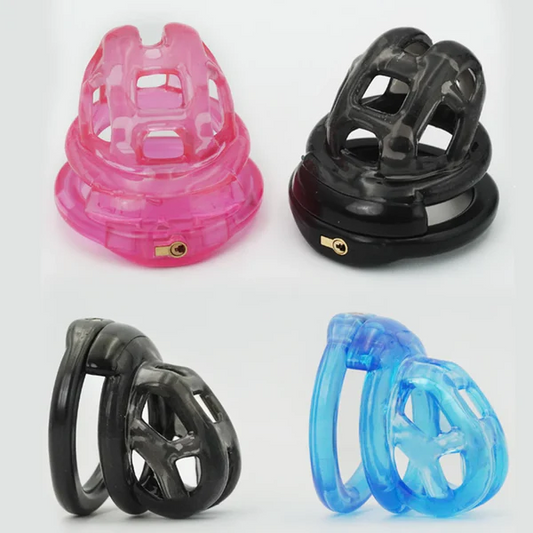
Start with the cage body. Wide open-frame spacing generally gives more direct access than a nearly enclosed tube. Small holes can improve airflow and drainage but may still leave broad internal surfaces that are difficult to reach. Deep recesses, decorative textures, hinges, screw channels, and lock cavities add places that require inspection.
Then count the removable parts. A detachable cage may be easier to clean piece by piece, but every seam and connector becomes another area to rinse and dry. If the listing does not show how the cage comes apart, ask before assuming it is removable.
Open Frame and Enclosed Tube Are Not Binary Labels
The existing open versus closed chastity cage comparison explains the broad structural difference. For a purchase focused on maintenance, go one step further:
- Can you see the complete internal surface without disassembly?
- Are openings large enough for direct rinsing and inspection?
- Will drainage leave water trapped behind a plate or inside a lock recess?
- Can the cage, ring, lock, belt, and optional inserts be cleaned separately?
- Does the seller publish material-specific cleaning and drying instructions?
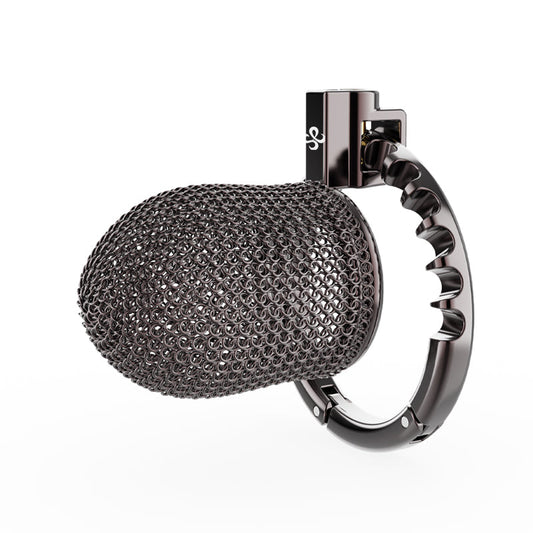
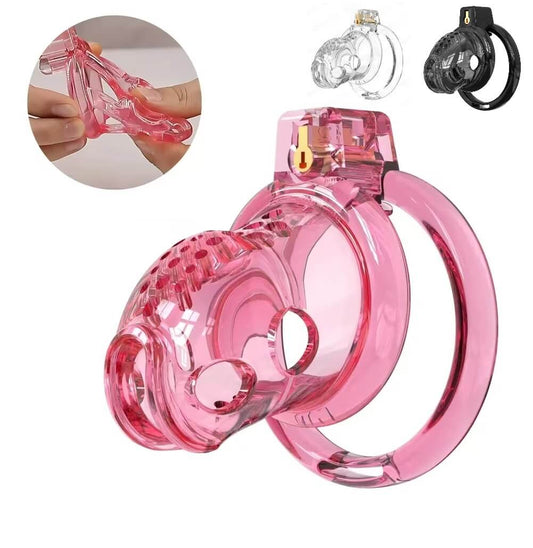
The Flat Honeycomb Stainless Steel Chastity Device illustrates an open-pattern approach: its listing describes a honeycomb structure, ventilation, and stainless steel maintenance. The Flat Charm Chastity Cage uses ABS and lists a multi-vent structure. Similar visual openness does not make their care instructions interchangeable, because the materials, locks, seams, and finishes differ.


Material Changes the Method, Not Just the Effort
Stainless steel, ABS, silicone, resin, coatings, and mixed-material assemblies can tolerate different cleaners, temperatures, soaking, and drying methods. Use the current care directions for the exact product. Do not assume every product called “resin” is the same polymer or that every metal surface has the same finish.
Softer components can fold and expose hidden surfaces, but they may also have seams or coatings. Rigid open bars are easy to see between, yet a built-in lock or hinge can remain difficult to access. A smooth finish is useful only if the entire surface can be reached and dried.
Drying Is Part of the Design Test
A cage is not easy to maintain if water remains in a hollow section, hinge, belt connector, or charging recess. Look for a stable way to place separated parts so air can reach every surface. Ask whether absorbent material, enclosed channels, or a non-removable electronic module changes drying time. Reassemble only after the components are dry according to the instructions, and inspect coatings, seams, and hardware for damage before reuse.
The Metal Chastity Cages collection and Plastic Cock Cage collection provide many structures, but collection membership alone is not a cleaning instruction.
Locks, Hinges, and Small Hardware Deserve Their Own Check
A removable padlock can often be kept separate during cleaning, subject to its instructions. An integrated lock reduces loose parts but may place a mechanism beside drainage openings. Hinged rings add a joint. Screws, pins, and narrow channels create contact surfaces that may not be visible when assembled.
Before purchase, look for an exploded view or package photo. Confirm whether tools are required, whether replacement hardware is available, and which parts should not be immersed. If the page gives no care guidance for the lock, ask rather than treating the cage-body material as an answer for the whole device.
Electronic Cages Need a Separate Maintenance Plan
App-controlled, vibrating, and electric devices may include charging contacts, batteries, motors, electrodes, displays, or sealed compartments. A waterproof claim needs an exact current rating and instructions that define what exposure is permitted. Without that evidence, keep electronics away from immersion and request clarification.
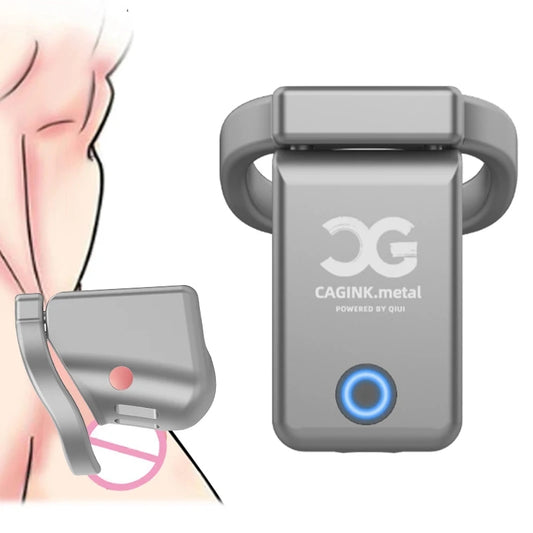
The Lockink Retractable Electric Shock Vibrating Chastity Cage currently publishes an IPX6 claim and mixed ABS/silicone construction. That is a product-page claim to verify in the supplied manual; it is not permission to use a dishwasher, boil the device, or apply a cleaner that may damage seals or electronics.

A 60-Second Pre-Purchase Cleaning Scorecard
- Visibility: Can you inspect every body-contact surface?
- Access: Can water and your cleaning tool reach those surfaces?
- Drainage: Can liquid leave without collecting in recesses?
- Disassembly: Are the steps and required tools documented?
- Material instructions: Are compatible cleaning methods stated?
- Drying: Can all parts be dried before reassembly?
- Electronics: Is the permitted water exposure explicit?
If a listing cannot answer several of those questions, the design may be harder to maintain than it appears. Compare alternatives in the Chastity Cages collection, and use the guide to factors for regular use for a broader inspection and removal checklist.
The easiest cage to clean is the one whose complete surface and hardware you can access, clean appropriately, inspect, and dry—not necessarily the one with the largest number of holes.