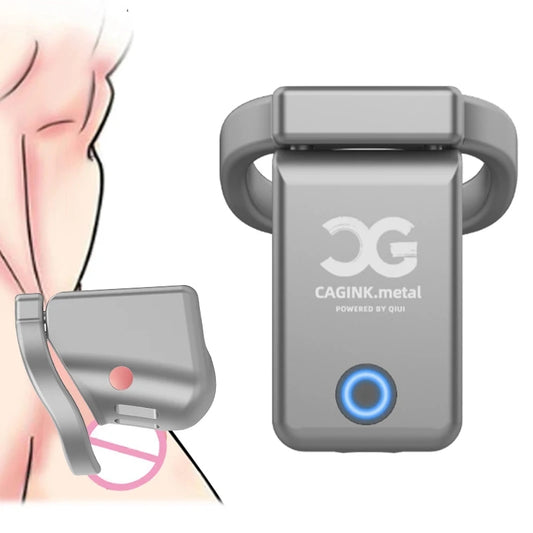
Smart Chastity Cage or Remote Key Box? Two Different Ways to Give Up Control
There are two very different ways to hand control to someone else. One is to wear a chastity device whose lock or other functions connect to an app or remote system. The other is to wear an ordinary key-operated cage and place its key inside a connected or timed box.
Both may support consensual remote keyholding, but they create different failure points. A smart cage puts technology on the worn device. A remote key box puts technology around the key and leaves the cage itself mechanical. Choosing between them starts with deciding where you want the complexity to live.
Option A: The Connected Device
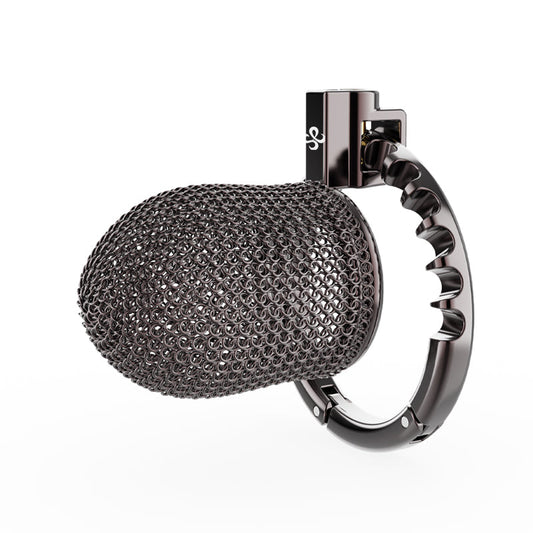
An app-controlled chastity device may manage locking, release, timing, stimulation, or only some of those functions. Never infer the control scope from the word “smart.” The current Cellmate 2 Chastity Cage App Controlled listing describes timed unlocking and app-controlled electrical functions. By contrast, the Dragon Taming Master App Electric Shock Chastity Cage explicitly says its app controls electrical stimulation, not locking or unlocking.


That single distinction changes the emergency plan. Before purchase, write down exactly what the app controls, whether the device has a physical or documented emergency release, what happens when the phone is unavailable, and which functions remain usable without a network.
Option B: A Mechanical Cage Plus a Connected Key Box
A key box separates the wearable hardware from the remote-control hardware. The wearer can choose a conventional cage with a physical key, then store that key in a box such as the LOCKINK Remote Chastity Key Box. Its current page describes app control, remote locking, and timed releases. The APP Controlled KEY POD Key Box describes Bluetooth connection, timer settings, unlock records, Type-C charging, and an emergency switch.


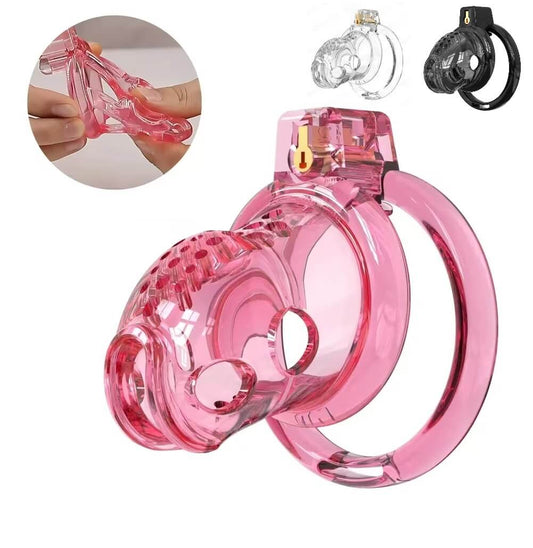
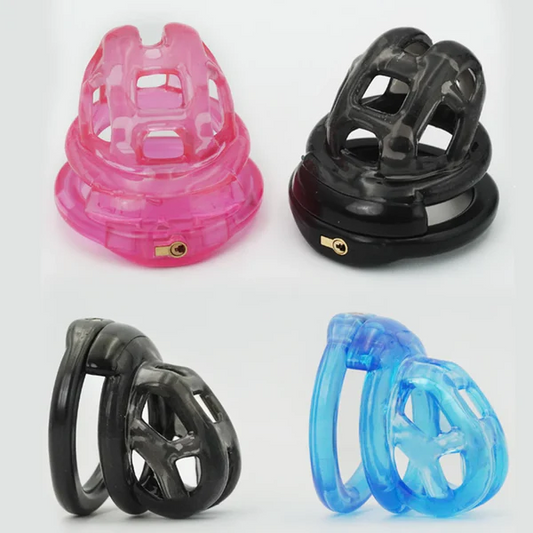
The advantage is device choice: changing cage material, ring set, or profile does not necessarily require replacing the connected box. The limitation is equally important. A box controls access to a key; it cannot confirm that the cage is correctly fitted, still being worn, or safely removable in an urgent situation.
Compare the Two Dependency Chains
| Question | Smart cage | Remote key box |
|---|---|---|
| Wearable hardware | Lock, battery, electronics, cage, and sometimes stimulation in one system | Mechanical cage remains separate from the connected box |
| Device flexibility | Functions are tied to compatible cage hardware | Can work with different keyed cages if the key fits the box |
| Power loss | May affect a worn device directly; recovery must be documented | Affects access to the stored key; a separate emergency key plan is still required |
| App or account loss | May affect release or other device functions | May prevent opening the box, while the cage itself remains mechanical |
| Cleaning | Electronic sections may limit immersion or cleaning methods | The box stays off the body; cage care follows its own material instructions |
| Travel | Charging, phone access, radio rules, and screening all need consideration | Box, charging, spare access, and the mechanical cage travel separately |
Reliability Is Not the Same as Simplicity
A mechanical cage plus key box has two separate systems, but each system has a narrower job. A smart cage may have fewer objects to pack, yet a larger number of dependencies inside the worn hardware. Count the actual chain: lock, key or motor, battery, charger, phone, Bluetooth or cellular connection, app account, partner access, server availability, and approved manual release.
The QIUI CAG·INK Pro Chastity Cage Cellmate 3, for example, lists Bluetooth and cellular connection modes, magnetic charging, a display, remote functions, and different standby estimates by connection mode. That is a much broader system to evaluate than a box storing one physical key. It may be worthwhile when those verified functions are the reason for buying it; it is unnecessary complexity when the goal is simply timed key access.

Cost and Travel Follow the Architecture
Compare total replacement cost, not only purchase price. With a smart cage, a failed electronic module may affect the entire wearable system. With a key box, you may be able to keep the cage and replace only the box. On a trip, list chargers, cables, spare access, phone permissions, network availability, and any transport or screening restrictions for every component. Do not wear a locked device through travel situations where prompt removal cannot be assured.
Emergency Access Must Remain Independent
Remote control is not permission to delay removal when pain, numbness, unusual color, swelling, coldness, broken skin, urinary difficulty, or escalating discomfort occurs. Agree in advance who can authorize release, where an independent emergency key or documented override is kept, and what happens if the remote partner cannot be reached. Consent can be withdrawn at any time.
The existing comparison of traditional locks and smart devices focuses on lock-system dependencies. This decision is narrower: whether to connect the worn device or keep the cage mechanical and connect only the key storage.
Which Architecture Fits Your Goal?
Choose a smart cage when a verified on-device function—such as documented remote release, timing, status, or stimulation—is central to your agreed use case, and you accept the charging, app, privacy, support, and recovery requirements. Compare current options in the Smart Chastity Cage collection and verify each function individually.
Choose a remote key box when you want to preserve freedom over cage shape, material, ring sizes, and lock hardware, and the main digital feature you need is control over key access. Browse the broader App Controlled Chastity Cages collection carefully because it currently includes both wearable devices and key-control accessories.
The better system is the one whose complete failure and release path you can explain before anything is locked—not the one with the longest feature list.