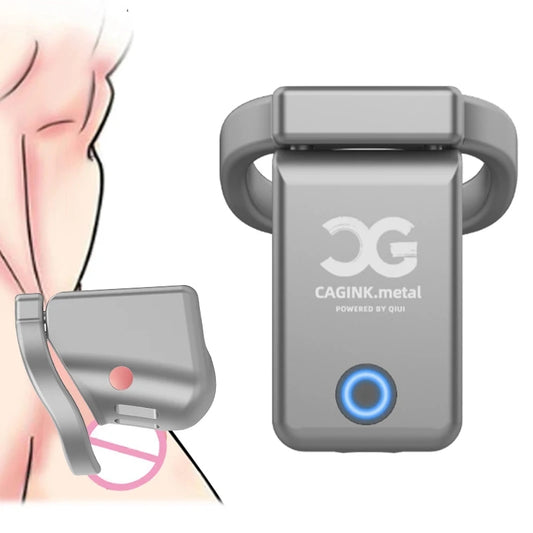
Ringless Chastity Cages: Are They Actually Easier to Wear?
A ringless chastity cage removes the familiar base ring, but it does not remove the need for a secure, correctly sized support system. That distinction matters. A buyer may see fewer visible parts and assume the whole fitting process will be easier. In practice, ringless designs replace the conventional ring-and-gap arrangement with another method of positioning the cage, often involving internal retaining rings, a belt, or both.
So are they easier to wear? They can be easier in specific ways, especially for someone who dislikes pressure from a traditional base ring. They can also demand more careful reading before purchase because “ringless” describes what is absent, not exactly what holds the device in place.
What a Ringless Design Actually Changes
A conventional cage normally uses a base ring behind the genitals, a cage in front, and a fixed or adjustable gap between them. A ringless cage removes that rear base ring. The cage still needs a way to resist forward movement and remain aligned, so the product may use a smaller internal retaining component, a belt, a contoured body, or a combination of parts.
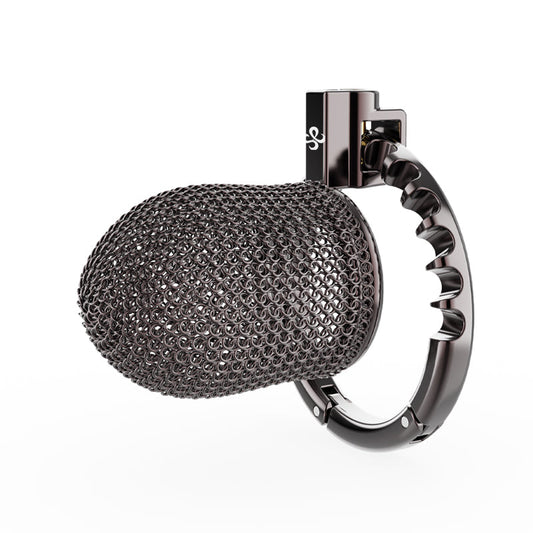
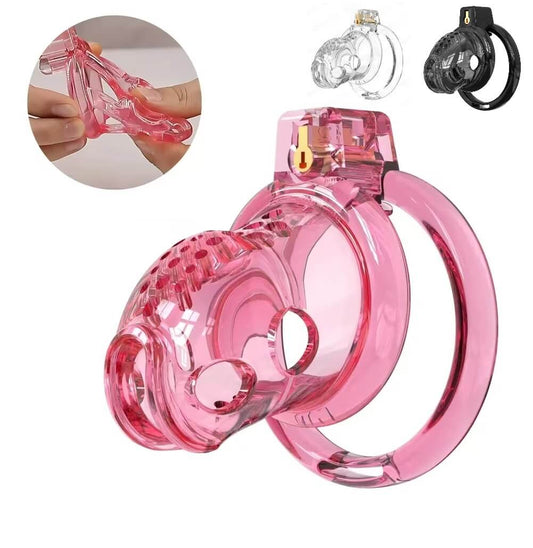
This is why two ringless listings can work differently. The current Bullet Chastity Cage – Ringless Design, for example, is sold with nine internal rings and has an optional belt variant. The Ringless Stainless Steel Chastity Cage also lists nine internal rings and a belt in its package. Neither should be treated as a cage that simply stays in place with no fitting components.


Where It May Feel Simpler
The most obvious difference is the absence of a traditional ring encircling the base. For a wearer whose main problem is the shape or contact pattern of that component, removing it changes pressure distribution. It also removes the usual ring-to-cage gap from the fitting equation.
Assembly may look compact once the correct retaining parts are selected. The bullet-style models have detachable construction and openings described on their product pages, which may make separate parts easier to inspect. A lower number of large external components may also create a different outline under clothing. None of those points proves a better fit, however. The internal ring, belt tension, cage curve, and body contact still determine how the system behaves.
Where Ringless Can Be More Demanding
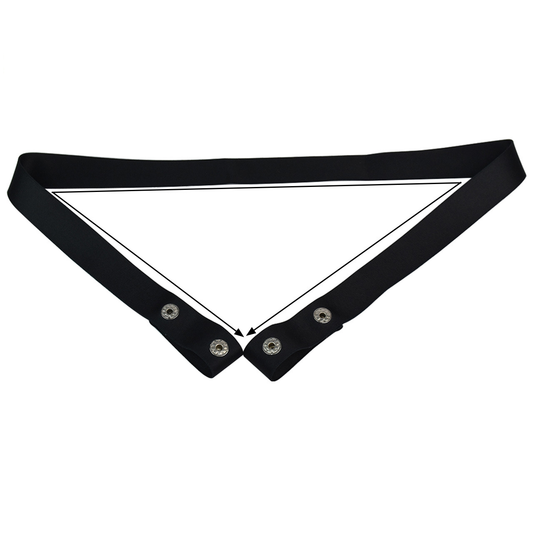
Stability is the first trade-off to investigate. A conventional base ring distributes load around a larger area and gives the cage a defined anchor. With a ringless system, the wearer needs to understand which component provides that anchor. If the product relies on a belt, then waist fit and belt position become part of the setup. If it relies on a coronal retaining ring, its size and placement are central rather than optional details.
Movement is the second issue. Ask what happens while walking, sitting, and changing position—not merely how the cage looks in a product photo. A downward curve may reduce the forward profile, but it may also change where the body and cage meet. A belt may limit movement but introduce another contact point. These are design consequences to test briefly with immediate removal access, not comfort promises.
Cleaning Is About Access, Not the Label
Removing a base ring does not automatically make a cage easier to clean. Look for openings that allow rinsing and visual inspection, and check whether the cage, retaining ring, lock, and belt can be separated according to the instructions. Detachable parts can improve access, but they also create seams and lock areas that need attention.
The Bullet-Flow Ringless Chastity Cage is described as detachable and open for ventilation. Its listing also shows multiple internal rings and an optional belt, so maintenance includes more than the cage shell. Follow the current product instructions for every material and component; do not assume the same cleaning method applies to ABS, stainless steel, locks, and fabric or elastic parts.

A Better Ringless Buying Checklist
- Retention: Identify exactly what prevents the cage from sliding or separating.
- Internal ring choices: Confirm the supplied sizes and how the correct one is selected.
- Belt dependency: Check whether a belt is required, optional, or included only with one variant.
- Assembly: Read the order of parts and confirm that prompt removal is possible.
- Contact and movement: Consider the curve, edges, lock position, and likely movement while sitting and walking.
- Maintenance: Count the parts that must be removed, rinsed, dried, and inspected.
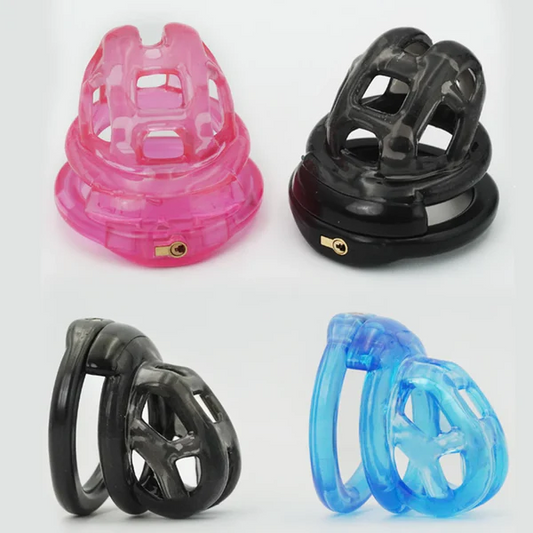
If you are comparing compact options generally, the Small Chastity Cages collection provides conventional and ringless shapes side by side. The broader Chastity Cages collection is useful when you want to compare how different support systems are assembled.
Who Should Consider Ringless—and Who Should Not
Consider a ringless design when the traditional base ring is the specific part you want to avoid and you are willing to learn the replacement retention system. It may also suit a buyer who wants a compact profile and can verify the available internal ring or belt configuration before ordering.
A traditional design may be the clearer choice when you already know your base-ring range, prefer a familiar ring-and-gap setup, or do not want a belt or internal retaining system. Our cage size comparison guide explains the fields to compare in a conventional setup, while the guide to adjustable and fixed rings helps when ring flexibility is the real issue.
The practical answer is conditional: ringless can remove one troublesome contact point, but it does not make fitting automatic. Choose it because you understand its retention, sizing, movement, and cleaning system—not because the product name suggests there is less to measure.