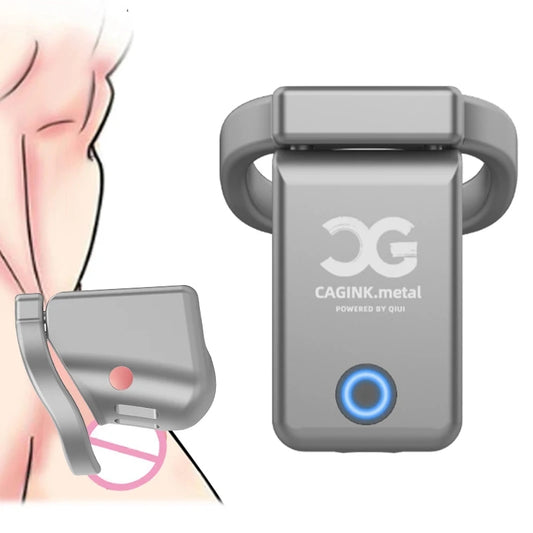
Hinged vs Solid Base Ring: Which Chastity Ring Design Should You Choose?
A base ring can have the same advertised diameter and still be a very different piece of hardware. A hinge adds a joint and an opening action; a continuous ring removes that joint but must be compared as a complete circle. The useful question is not which label sounds easier. It is how the ring is built, sized, connected and documented on the exact product page.
This guide sets hinged or split base ring beside continuous solid base ring. The labels are only navigation; construction, size, package and maintenance evidence decide whether the comparison is useful.
The purchasing question behind hinged vs solid chastity ring: hinged or split base ring
The comparison stays deliberately narrow. It does not repeat a general sizing guide, a broad material ranking or a comfort article. It asks which published fields distinguish the two product systems and which unknowns still need confirmation.
A field-by-field comparison: hinged or split base ring vs continuous solid base ring
| Comparison field | First format | Second format |
|---|---|---|
| Opening mechanism | continuous solid base ring: A hinged ring opens at a joint and therefore adds a hinge, pin or clasp to inspect. | hinged or split base ring: verify the same field on the selected listing. |
| Published sizing | hinged or split base ring: Do not transfer a size choice from one geometry to another. | continuous solid base ring: verify the same field on the selected listing. |
| Moving parts | continuous solid base ring: A hinge creates an additional moving interface. | hinged or split base ring: verify the same field on the selected listing. |
| Cage compatibility | hinged or split base ring: Ring diameter alone does not prove compatibility. | continuous solid base ring: verify the same field on the selected listing. |
| Bulk at the joint | continuous solid base ring: Look at current photos and dimensional notes around the hinge or clasp. | hinged or split base ring: verify the same field on the selected listing. |
Use this table as a question list, not a verdict. Product families can combine several features, so isolate one variable at a time and verify the selected option.
Listing evidence that deserves a second look: hinged vs solid chastity ring
Opening mechanism
A hinged ring opens at a joint and therefore adds a hinge, pin or clasp to inspect. A solid ring has no opening joint; compare its continuous shape and the way it connects to the cage.
Published sizing
Do not transfer a size choice from one geometry to another. Check the seller’s diameter values, size labels and whether the ring is sold alone or only with a specific cage.
Moving parts
A hinge creates an additional moving interface. That does not make it automatically better or worse, but it changes cleaning, inspection and replacement questions.
Cage compatibility
Ring diameter alone does not prove compatibility. Connector position, lock alignment, gap and the product family matter.
Bulk at the joint
Look at current photos and dimensional notes around the hinge or clasp. A joint can change local profile even when the nominal diameter matches.
Cleaning access
Check whether the joint can be opened for cleaning and whether the listing gives care guidance. Dried residue around small hardware deserves deliberate inspection.
Replacement path
A separately listed accessory ring is easier to identify than an undocumented spare. Confirm the exact model relationship before ordering.
Installation sequence
Follow the product’s instructions. A hinged opening changes assembly order, while a solid ring requires a different placement sequence; neither format guarantees comfort.
Current products that illustrate the difference for hinged vs solid chastity ring
A useful pre-purchase record for this topic should include the following fields:
- Exact ring diameter and shape
- Hinge, clasp or continuous construction shown in current photos
- Connector and lock compatibility
- Whether the ring is included or sold separately
- Joint-cleaning and drying access
- Replacement-ring availability
- Any published gap or alignment information
If a field is missing, write “not clearly published” rather than filling the gap from another product. A photo can support shape and visible component evidence, but it should not be used to invent material grade, battery life, waterproofing or compatibility.
A conditional decision path: hinged vs solid chastity ring examples
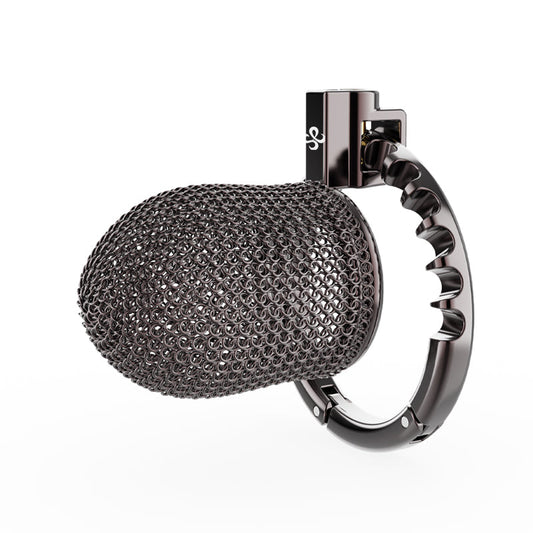
Stainless Steel Stealth Chastity Cage With Hinged Rings
Use this Active product to inspect the comparison in a real listing. Its current options read Ring Size: Size1, Size2, Size3, Size4, Size5. The store places it in Male Chastity Cage and Chastity Cages, so verify the chosen variant before relying on any additional claim.

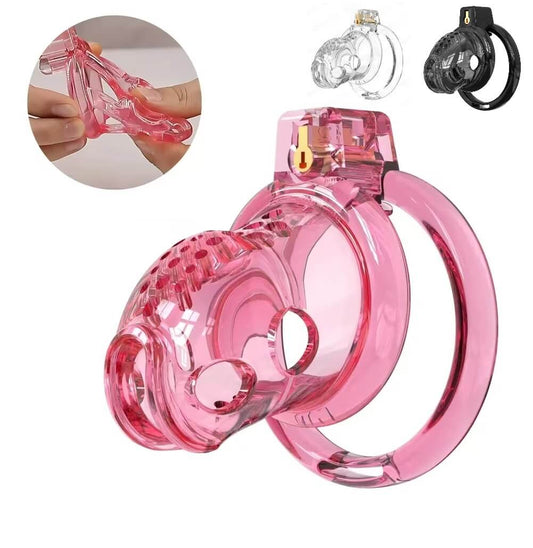
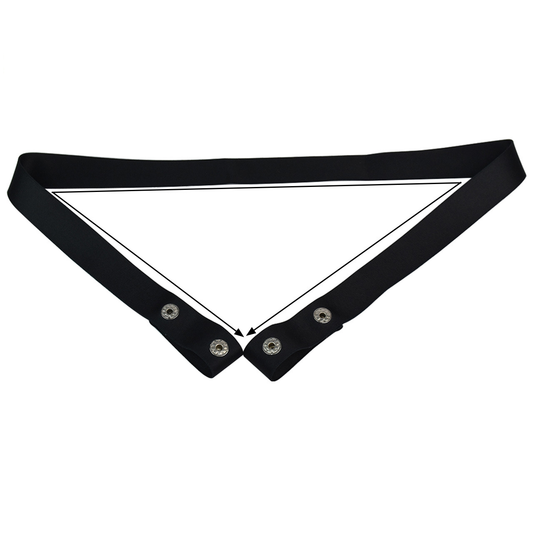
Hinged Cage Ring Accessory Ring
This listing makes the configuration visible through these current choices: Size: 38 mm, 41 mm, 51 mm, 57 mm, 62 mm. Its present catalogue placement is the store catalogue. Treat missing specifications as missing rather than borrowing details from a similar product.

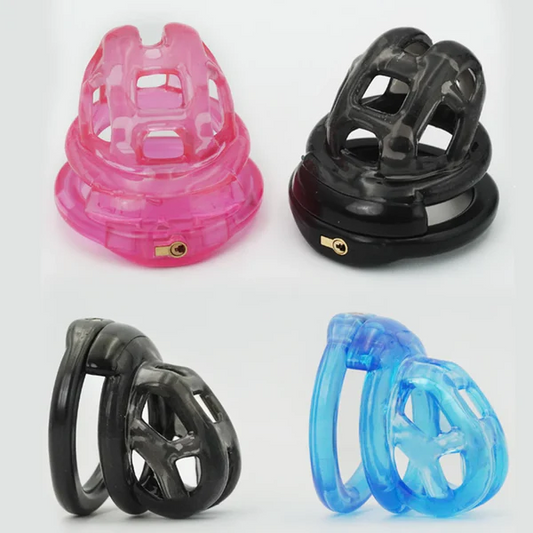
Gold HTV3 Chastity Cage
For an evidence-based check, open the Active product and record Cage Size: Nub, Nano, Small, Standard, Maxi; Ring Size: 36mm, 40mm, 45mm, 50mm. The current category context is Golden Chastity Cages and Male Chastity Cage; the product page, not the category label, controls the final specification.

Related guides and collections: hinged or split base ring or continuous solid base ring
If you are leaning toward hinged or split base ring: Choose the hinged format for comparison when an opening ring is a documented requirement and the listing clearly shows the joint, sizes and matching cage. Check that preference against the measurements and package contents rather than treating it as a universal recommendation.
If you are leaning toward continuous solid base ring: Compare a solid ring when you prefer fewer moving interfaces and the continuous ring’s size, shape and connector are fully published. The current product page remains the authority for what the chosen variant contains.
In either case, follow the product instructions, inspect components regularly and maintain accessible removal. Stop use for pain, numbness, swelling, injury, unusual discoloration or urinary difficulty; seek qualified medical help if symptoms persist or safe removal is not possible.
Questions buyers ask: hinged vs solid chastity ring resources
- Browse Hinged Rings Cages to compare current product configurations.
- Review Chastity Cages for a second category view.
- Read Adjustable vs Fixed Ring Chastity Cage: How to Choose for the related established buying question.
- Continue with the next focused comparison in this topic cluster.
Final verification note about hinged vs solid chastity ring
Does a hinged ring guarantee easier installation?
No. It changes how the ring opens, but the full assembly, sizing and instructions determine the actual process.
Is a solid ring always less bulky?
Not necessarily. Ring thickness, connector and lock hardware also affect profile.
Can any hinged ring fit any cage?
No. Confirm the exact product family and connector; diameter alone is insufficient.
What should I inspect on a hinge?
Look for the joint, pin or clasp condition, smooth movement, cleanliness and any manufacturer care directions.
Final decision framework for hinged vs solid chastity ring
Treat the hinge as a construction feature, not a comfort promise. Compare the ring as part of a documented cage system and keep an accessible removal plan. The most defensible purchase decision is the one you can trace to the exact product page, selected variant and documented package—not to a broad label or an assumed specification.