Flexible vs Rigid Chastity Cage: Which Construction Better Matches Your Priorities?
Soft-looking is not a safety or comfort guarantee, and rigid is not a security guarantee. The practical comparison is mechanical: how much the cage body and ring can flex, whether the shape is retained, what lock hardware is used and which dimensions the seller publishes for the exact variant.
Here, flexible cage construction is the first reference point and rigid cage construction is the second. The selected variant and package list matter more than either category name.
What this comparison covers
The comparison stays deliberately narrow. It does not repeat a general sizing guide, a broad material ranking or a comfort article. It asks which published fields distinguish the two product systems and which unknowns still need confirmation.
Flexible and rigid construction at a glance
| Comparison | Flexible construction | Rigid construction |
|---|---|---|
| Shape | Can deform; identify which component flexes | Designed to retain its frame or shell shape |
| Material | Verify the named material; a polymer is not necessarily flexible | Verify the named material; rigidity does not identify a metal grade |
| Ring and lock | May include rigid connectors or lock hardware | May include separate flexible rings or other mixed components |
| Measurement | Use the stated uncompressed measurement method | Distinguish internal dimensions from outside dimensions |
| Selection | Flexibility alone does not prove comfort or suitability | Rigidity alone does not prove security or suitability |
Use this table as a question list, not a verdict. Product families can combine several features, so isolate one variable at a time and verify the selected option.
Read the assembly part by part
Flexibility
A flexible body can deform under hand pressure; a rigid body is designed to retain its form. Degree of flexibility still varies by product.
Material evidence
Use the listing’s named material or category. Do not identify a polymer grade or steel grade unless the page states it.
Ring construction
A soft cage may use flexible rings, rigid connectors or a mixed system. Compare the complete assembly.
Lock hardware
The locking element can remain rigid even when the cage body is soft. Note where hard and flexible components meet.
Movement
Flexible bodies can move differently from fixed frames; avoid converting that fact into a comfort promise.
Measurement reliability
Soft components may be measured in an uncompressed state. Use the seller’s method and avoid stretching measurements.
Cleaning
Inspect seams, holes and hardware transitions. Follow the stated care instructions for the material.
Storage
Flexible items should not remain sharply folded; rigid items need protection from deformation or surface damage.
Questions for the selected variant
A useful pre-purchase record for this topic should include the following fields:
- Material named
- Which parts flex
- Ring and lock construction
- Uncompressed dimensions
- Seams and hardware transitions
- Cleaning instructions
- Published durability or care limits
If a field is missing, write “not clearly published” rather than filling the gap from another product. A photo can support shape and visible component evidence, but it should not be used to invent material grade, battery life, waterproofing or compatibility.
Compare the complete construction

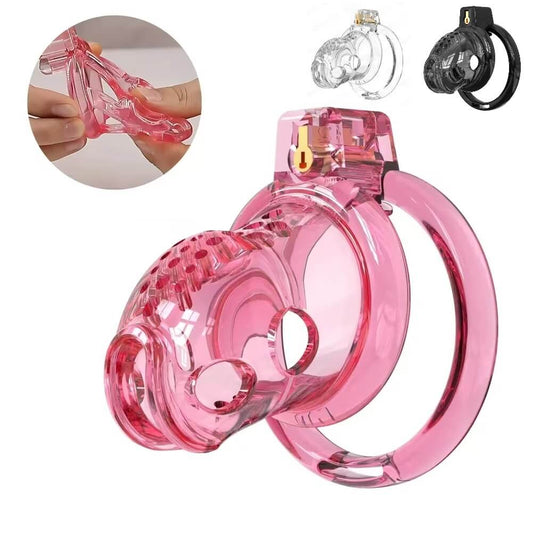
NEW Soft Chastity Cage Silicone
NEW Soft Chastity Cage Silicone lists a silicone body, Long and Short options, and four colours. The published lengths are 116 and 107 mm, and the listing describes four snap rings. Check how those length figures are measured and choose the belt option separately; the material label does not determine fit.
View Product
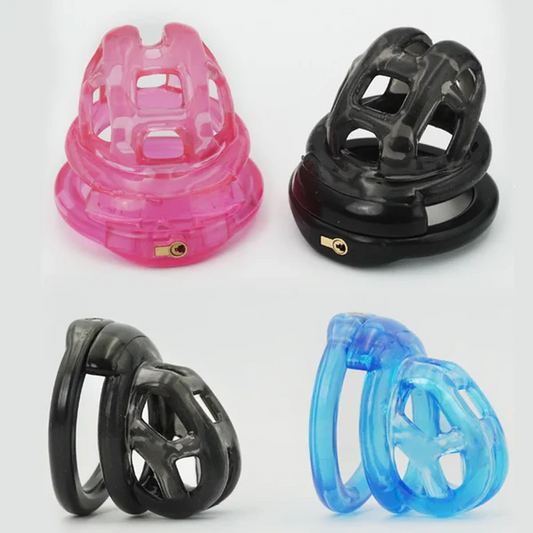
Open-Frame Chastity Cage with Silicone Rings
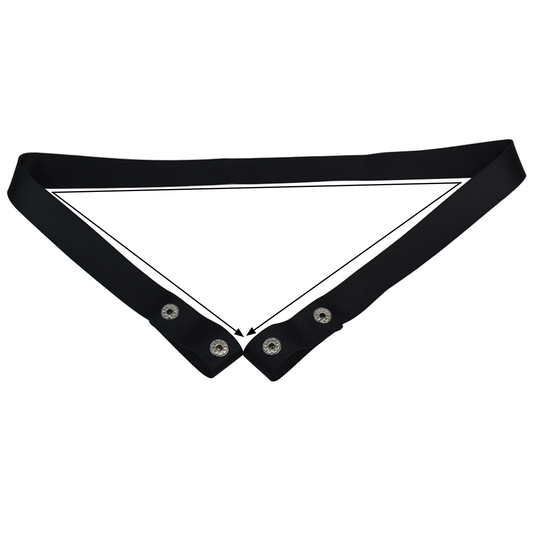
This open-frame design specifically identifies silicone base rings, with 43, 47, 51 and 55 mm sizes in its package. Its S, M and L cage choices and optional belt are separate decisions. The ring material does not establish that the cage body itself is flexible, making it a useful mixed-component comparison.
View Product
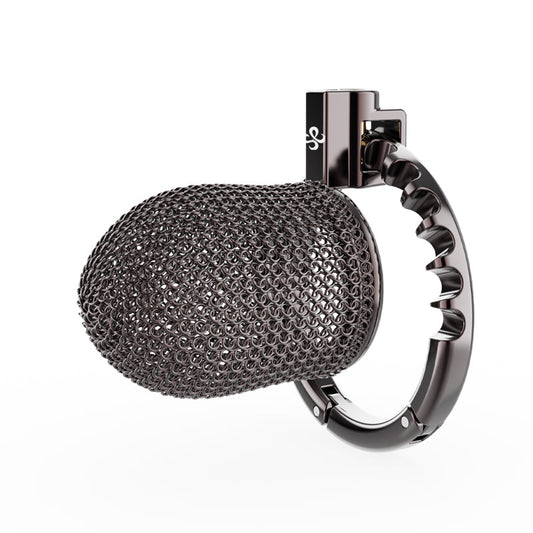
Stainless Steel Chastity Cage 0.98 Inches Long
This stainless-steel model lists a 0.98-inch cage length and S-40mm, M-45mm and L-50mm size choices. It provides a rigid metal comparison against the silicone-labelled model. Confirm what each measurement describes and inspect the ring and lock assembly; the short length alone does not establish fit or beginner suitability.
View ProductNarrow your choice
If you are leaning toward flexible cage construction: A flexible product is worth comparing when the listing clearly identifies the soft components, dimensions and lock system. Check that preference against the measurements and package contents rather than treating it as a universal recommendation.
If you are leaning toward rigid cage construction: A rigid product is relevant when shape retention and a fixed frame are desired and the ring, material and size are documented. The current product page remains the authority for what the chosen variant contains.
Mixed-material construction deserves its own line in the worksheet. A flexible cage body can still meet a rigid lock, pin or connector. Inspect that transition in current photos and follow the stated care directions instead of applying one material rule to the entire assembly.
In either case, follow the product instructions, inspect components regularly and maintain accessible removal. Stop use for pain, numbness, swelling, injury, unusual discoloration or urinary difficulty; seek qualified medical help if symptoms persist or safe removal is not possible.
Related buying guides
- Browse Silicone Chastity Cages to compare current product configurations.
- Review Metal Chastity Cages for a second category view.
- Read Metal vs Silicone Chastity Cages: Which Is Right for You? for the related established buying question.
- Continue with the next focused comparison in this topic cluster.
Common questions
Does soft mean comfortable?
No. Fit, geometry and individual response still matter.
Does rigid mean secure?
No. Security depends on the full design and correct use.
Can a flexible cage have hard parts?
Yes. Locks and connectors may remain rigid.
Should I stretch a soft cage when measuring it?
Use the seller’s measurement method; do not invent a stretched dimension.
Before choosing
Compare the assembly part by part. “Flexible” and “rigid” are construction descriptions, not universal performance verdicts. The most defensible purchase decision is the one you can trace to the exact product page, selected variant and documented package—not to a broad label or an assumed specification.