Cobra Cage or Flat Cage? How the Two Designs Really Differ
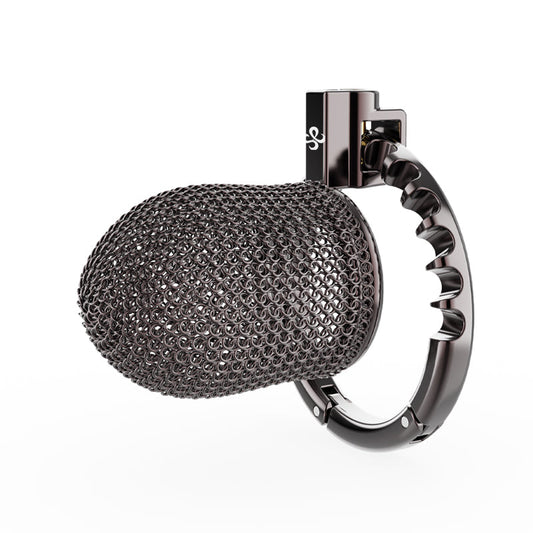
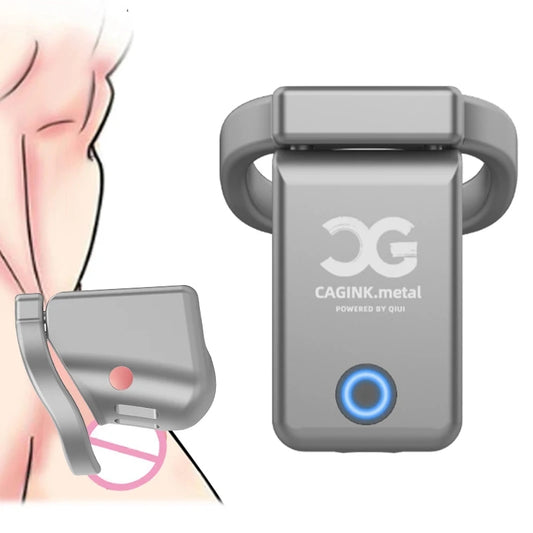
Put a Cobra cage and a flat cage next to each other and the difference is not merely length. A Cobra design keeps a curved tube-like profile in front of the body. A flat cage reduces forward depth and brings more of the structure close to the body. That change affects internal space, movement, clothing profile, ventilation, and the measurements that deserve the most attention.
This comparison is therefore less about which category is “more comfortable” and more about which geometry matches the wearer’s priorities.
The Real-World Difference at a Glance
| Decision point | Cobra profile | Flat profile |
|---|---|---|
| Shape | Curved cage extending forward | Shallow or recessed structure close to the body |
| Internal space | Usually easier to compare by listed cage length and width | Depth, tray shape, and surrounding clearance may matter more than a single length |
| Under clothing | Profile varies by cage size, curve, lock, and clothing | Reduced projection is the design goal, but hardware can still create an outline |
| Movement | Longer models may create more leverage during movement | Closer body contact can change pressure distribution |
| Cleaning access | Depends on open-frame spacing and removable parts | Depends on vents, recesses, seams, and how easily the body can be inspected |
Cobra Cages Preserve a Recognizable Tube
The defining purchase question is how much cage space and forward curve you want. The Cobra 2.0 Male Chastity Device currently offers five cage-length labels from 50 mm to 100 mm and includes four arc rings. That gives a buyer several tube lengths within one product family, although the listing should still be checked for the precise internal measurement endpoints.

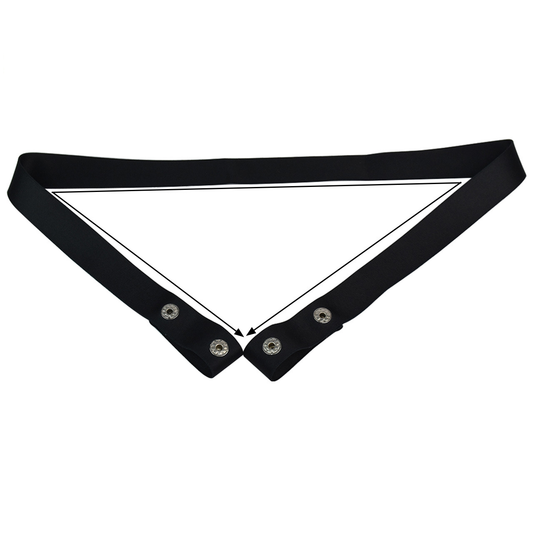
The Upgraded Invisible Cobra Chastity Cage takes another approach: S, M, and L cage variants, six listed base-ring diameters, a hollow cage, an internal lock, and optional belt variants. Its “invisible” name is not a guarantee that it disappears under clothing; it tells you which design goal to evaluate against the actual cage, lock, belt, and clothes.

Explore the current Cobra Chastity Cages collection when you want to compare tube lengths, curve, ring sets, and lock footprints without leaving the same design family.
Flat Cages Trade Projection for Different Contact
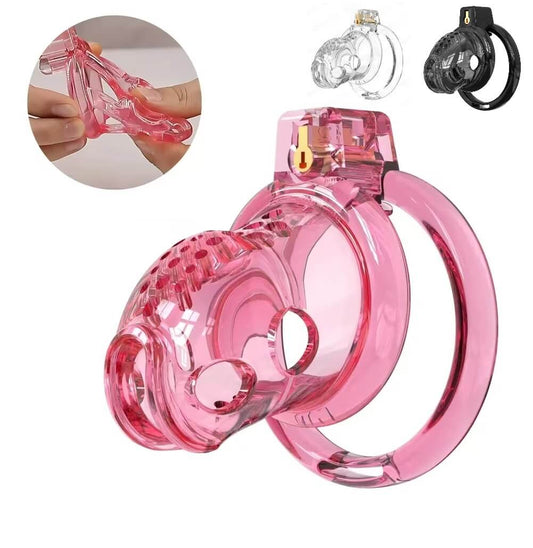
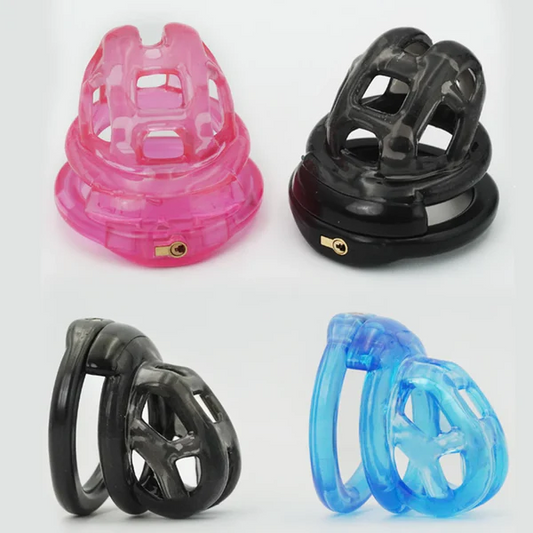
A flat device usually offers less space projecting forward. That can matter under fitted clothing, but it also means the wearer cannot evaluate it like a shortened conventional tube. The shape of the front plate or tray, ventilation pattern, edge position, and distance from ring to cage all affect how it sits.
The Steel Flat Chaste Lock Anti-derailment offers arc or round rings in four listed diameters and has small front openings. The Flat Charm Chastity Cage uses ABS, lists four ring sizes, and has a multi-vent structure. These are useful examples because they show that “flat” does not specify one material, ring geometry, or opening pattern.


The Flat Chastity Cages collection lets you compare those variables. Pay close attention to drawings that define depth and body clearance; a front-facing product photo alone cannot show how the edge will meet the wearer while seated.
Internal Space Is More Than a Length Number
On a Cobra model, length and internal width often describe a recognizable tube, although the tip shape and curve still affect usable space. On a flat model, a short stated depth may belong to a tray whose width changes across its surface. Ask whether the measurement is internal, external, straight-line, or taken along a curve. Two cages with the same headline length can therefore hold the body very differently.
Also check the selected variant rather than copying a diagram for another size. The Cobra 2.0 offers multiple named lengths, while the Steel Flat model varies ring shape and diameter rather than cage length. Their option menus solve different fitting questions.
Movement and Clothing Tell You Different Things
A cage that looks discreet while standing may shift when walking. A flat device that creates little forward projection may still have noticeable side edges or lock hardware. A curved Cobra cage may have more forward volume yet move predictably when its ring, gap, and cage length are well matched.
Test the assembled profile in ordinary positions with immediate removal access. Check standing, sitting, bending, and a short walk separately. Do not use “not visible” as proof of a good fit, and do not use a visible outline as proof that the device is unsafe. Profile and fit are related, but they are not the same question. The existing guide to discretion under clothing gives a fuller clothing-focused checklist.
Choose Cobra If…
- You want a curved cage with clearly selectable tube lengths.
- You prefer some defined internal cage space rather than a shallow tray.
- You want to compare multiple ring and cage combinations within one recognizable design family.
- You can accept more forward projection in exchange for that geometry.
Consider Flat If…
- Reducing forward depth is more important than preserving a conventional tube shape.
- You are prepared to assess recess depth, plate edges, ventilation, and surrounding clearance.
- You want a structure that sits close to the body and have suitable product drawings for that fit decision.
- You understand that a flatter outline does not automatically mean less pressure or easier cleaning.
Neither category wins by default. If your main uncertainty is length, start with short versus standard cage length. If it is overall sizing, use the cage size guide. Then choose Cobra or flat based on the geometry you can actually measure and maintain.